ဘလော့
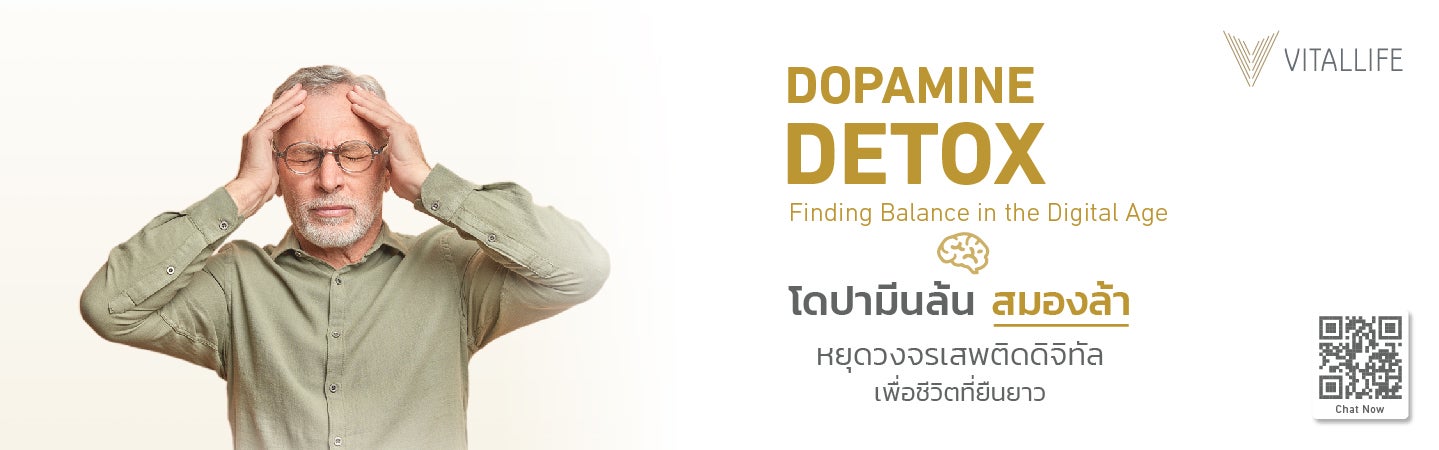
Dopamine and Life Balance in the Digital Age
In an age where technology is at our fingertips and connections are made in an instant, we have unknowingly become addicted to "instant gratification." This has led to a decline in our ability to delay gratification over the long term. This phenomenon is directly linked to a brain chemical called dopamine, which plays a role not only in how we feel "happy" but also in our behaviors, mental health, and potentially even our lifespan.
What is Dopamine and How Does It Relate to Longevity?
Dopamine is a neurotransmitter linked to the brain’s reward system. It is released when we engage in activities that bring us pleasure, such as enjoying our favorite food, achieving a goal, or even checking social media likes.
More importantly, dopamine also plays a key role in: regulating emotions, enhancing focus and motivation, influencing sleep patterns, and even controlling movement.
A well-functioning dopamine system is the foundation of a “balanced life,” a key factor in achieving healthy longevity.
Smartphones: The Silent Dopamine Thieves
It’s no coincidence that we find ourselves reaching for our phones every few minutes. Notifications, new messages, eye-catching posts on social media, and even funny TikTok videos all trigger the release of dopamine in our brains, creating a cycle where we become “addicted” to these instant rewards.
When the brain gets used to constant dopamine stimulation from external sources:
- Focus and attention decrease
- Everyday pleasures lose their appeal
- Both the body and mind become fatigued without realizing it
Over time, the nervous system may deteriorate faster.
As a result, this negatively affects both lifespan and quality of life.
Longevity and the Brain Free from “Excessive Dopamine”
Longevity is not just about living longer, but about living well, staying energized, and maintaining stable mental health at all ages. Managing dopamine is key to long-term brain health and behavior, linked to three main factors of longevity:
- Emotional Balance and Sleep: Excessive dopamine from smartphone use disrupts sleep, leading to poor rest and higher depression risk.
- Focus and Thinking: Constant stimulation makes it harder to focus on tasks that require patience, like reading or long-term planning.
- Health Behaviors: Phone addiction leads to less activity, more stress, and poor eating habits, increasing the risk of chronic non-communicable diseases (NCDs) and shortening lifespan.
Dopamine Reset: Reclaiming Joy for a Longer Life
1. “Unplug” the Brain from External Stimulation
- Turn off unnecessary notifications
- Set phone-free periods, such as 30 minutes after waking up or 1 hour before bed
- Delete apps that lead to aimless scrolling
2. Shift from Instant Dopamine to “Sustainable Dopamine”
Activities that stimulate dopamine in a balanced way and promote longevity include:
- Aerobic exercises like brisk walking or swimming
- Meditation or breathing exercises, such as deep breathing (Breathwork) or breath focus techniques
- Meaningful interactions, like conversations with close friends or family
- Setting long-term goals and rewarding yourself upon achievement
3. Try a “Dopamine Detox Day” Once a Month
- Set aside a day each month to
- Avoid social media
- Stay away from news or content that triggers unnecessary emotions
- Engage in mindful activities that involve both mind and body, such as gardening, reading, or cooking.
Though it may seem simple, this helps "reset" your brain and reconnect with true, lasting happiness.
Final Thought: Dopamine is Not the Enemy
Dopamine is not the villain; it’s the chemical that gives us purpose and makes life vibrant. However, constant digital stimulation can overload our brains, leading to fatigue, imbalance and increasing the risk of chronic stress, insomnia, and unhealthy behaviors.
Understanding dopamine is key to understanding ourselves, and it’s an important step towards living a long, healthy, and truly happy life.
You may try to restore life balance by managing dopamine, but if other hormones remain imbalanced, true happiness may not last.
Because real health begins when all hormones work in harmony.