博客

Avoiding Harmful Substances: Self-Respect as a Foundation for Health
In our journey toward wellness and well-being, we often focus on what to add into our lives: more movement, better sleep, richer foods, stronger connections. But true health also involves thoughtfully considering what we choose to remove or limit. The substances we consume, from alcohol and tobacco to highly processed foods or excessive caffeine, can either support or undermine our vitality.
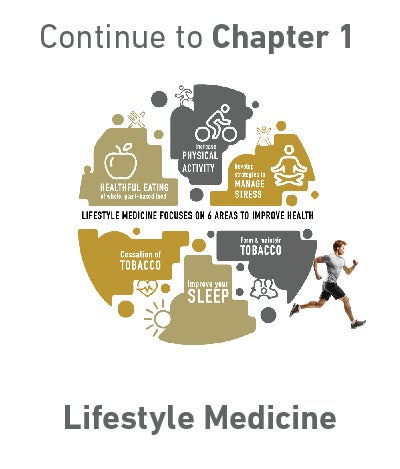
Recognizing this critical balance, avoiding harmful substances is the sixth foundational pillar of Lifestyle Medicine. This pillar is not about judgment or deprivation. It is about making conscious choices that align with our deepest values for health, energy, and longevity. It is an act of self-respect, honoring the body's innate capacity for health.
What Does "Avoiding Harmful Substances" Mean?
In Lifestyle Medicine, this pillar emphasizes mindful engagement with substances that can negatively impact physical and mental health. It encompasses a spectrum from total avoidance of highly addictive or toxic substances (like tobacco and illicit drugs) to moderating substances that can be harmful in excess (like alcohol, caffeine, or highly processed foods with added sugars and unhealthy fats).
This is how mindful substance choices support health by:
- Reducing chronic inflammation and oxidative stress
- Improving organ function (liver, heart, brain)
- Stabilizing blood sugar and promoting healthy weight
- Enhancing sleep quality and mental clarity
- Reducing the risk of various chronic diseases and cancers
This pillar encourages an informed, empowered approach to what we put into our bodies, cultivating a healthier internal environment.
Why It Matters for Your Health
The cumulative effect of harmful substances, even those considered socially acceptable, can significantly erode health over time. Our bodies are remarkably resilient, but continuous exposure to toxins or disruptive compounds taxes our systems and diverts vital energy from repair and regeneration.
Research consistently shows that reducing or eliminating harmful substances leads to profound health improvements:
- Decreased risk of heart disease, stroke, and certain cancers
- Improved liver function and detoxification pathways
- Better digestive health and nutrient absorption
- Enhanced mental well-being, including reduced anxiety and improved mood
- More stable energy levels and better sleep architecture
- Stronger immune response
Conversely, unchecked consumption of harmful substances is linked to:
- Increased inflammation and chronic pain
- Impaired cognitive function and memory
- Disrupted hormonal balance
- Higher risk of addiction and dependence
- Worsening of mental health conditions
- Accelerated aging and reduced lifespan
When Self-Preservation Feels Overwhelming
Understanding the negative impacts of certain substances is one thing. Making lasting changes is another. For many, habits around substances are deeply ingrained, intertwined with stress, social rituals, or emotional coping. The idea of "just stopping" can feel incredibly daunting, often leading to shame, self-blame, or a cycle of trying and failing.
Common challenges to making these shifts include:
- Emotional Dependence: Using substances to numb difficult emotions, manage stress, or cope with trauma. The thought of facing feelings without this crutch can be terrifying.
- Social Pressure: Navigating social environments where substance use is normalized or expected, making abstinence or moderation feel isolating or socially awkward.
- Habitual Patterns: Years of routines around certain substances (e.g., a drink after work, daily sugary snacks) create strong neural pathways that are hard to break.
- Withdrawal Symptoms: For some substances, physiological withdrawal can be profoundly uncomfortable or even dangerous, requiring professional support.
- Lack of Alternatives: Not having effective, healthier coping mechanisms or enjoyable alternatives readily available to fill the void left by reducing or removing a substance.
These are not weaknesses. They are complex human responses to a world that offers many enticing, yet ultimately unhelpful, forms of temporary relief.
How Health and Wellness Coaches Help
Think of a scenario: You know cutting back on sugar or alcohol would improve your energy, but every attempt leads to cravings and frustration. You feel stuck, perhaps even ashamed of your inability to "just do it." Your doctor has advised you to make changes, but has not provided a roadmap for sustainable transformation.
Our Health and Wellness Coaches steps in here, not with judgment or rigid rules, but with understanding and strategic partnership.
Together, you might:
- Explore the underlying reasons for substance use without judgment – identifying triggers and emotional connections.
- Develop personalized, incremental strategies for reduction or elimination that feel achievable and empowering.
- Discover and implement healthier coping mechanisms for stress, boredom, or social situations.
- Build confidence and self-efficacy, celebrating small victories and learning from setbacks.
- Cultivate a sense of self-compassion, transforming self-criticism into self-care.
- Connect you with additional resources or professional support if deeper issues or dependencies are identified.
Health and Wellness Coaching transforms a daunting task into a supported journey, fostering self-awareness and empowering you to make lifestyle modifications aligned with your truest desire for health.
Choosing for Your Highest Self
Avoiding harmful substances is about making conscious, compassionate choices for your well-being. It is s an ongoing practice of self-respect that strengthens your body, clarifies your mind, and supports your overall vitality. Whether you are considering reducing your intake or eliminating certain substances entirely, or simply learning how to set healthy boundaries, you do not have to navigate this path alone. With personalized support of our clinicians, dieticians and Health and Wellness Coaches and a focus on sustainable lifestyle modifications rooted in self-compassion, you can cultivate habits that truly serve your health and honor your Highest Self.
This concludes our Lifestyle Medicine series on the Six Pillars of Health. We hope these articles have provided valuable insights into how small, consistent lifestyle modifications, supported by Health and Wellness Coaching, can profoundly impact your health and longevity.
About The Author

Tanya Stockdale is a Mayo Clinic and Institute for Integrative Nutrition-certified Health and Wellness Coach, and a certified Functional Medicine Practitioner with over 15 years of experience in the wellness space. Her approach combines evidence-based coaching with a deep understanding of nutrition, lifestyle medicine, and root-cause healing. She is also a trained meditation teacher, with a strong interest in the mind-body connection and brain-heart coherence. Outside of her clinical work, Tanya prioritizes movement, time in nature, and practices that support long-term resilience and vitality.