Medical Travel Guides

Personalized Travel Assistance
We can provide you with up to date recommendations including appropriate immunizations, preventative medications, and
counseling on precautionary measures to avoid insect-borne diseases and travelers’ diarrhea. Our goal is to make your trip as
comfortable and healthy as possible.
Communicable Disease Situation

This guide provides essential health information for international travelers visiting Thailand. It highlights communicable diseases that travelers should be aware of and offers practical advice on appropriate disease prevention measures to ensure a safe and healthy journey.
On This page
- Travel Health Notices
- Common Communicable Diseases in Thailand
- Vaccines and Medicines
- Stay Healthy and Safe
- Healthy Travel Packing List
- After Your Trip
- Additional Travel Health Advisory
Travel Health Notices
Be aware of current health issues in Thailand. Learn how to protect yourself.
- Global Measles May 28, 2025: Measles cases are rising in many countries around the world. All international travelers should be fully vaccinated against measles with the measles-mumps-rubella (MMR) vaccine, according to CDC's measles vaccination recommendations for international travel.
- Anthrax May 29, 2025: There have been outbreaks of anthrax in northeastern Thailand. Purchase meat from reputable sources and do not eat raw or undercooked meat. Avoid animal products that could have been sourced from animals that may have died of natural causes. Avoid contact with dead animals or carcasses. If you suspect that you may have come into contact with anthrax, seek urgent medical advice.
Common Communicable Diseases in Thailand
- Contact and droplet diseases: Influenza, COVID-19, Mpox
- Insect-borne diseases: Dengue, Zika, Chikungunya, Malaria, Japanese Encephalitis
- Food & water-borne diseases: Hepatitis A, Typhoid, Cholera
- Animal-borne diseases: Rabies, Leptospirosis
- Airborne diseases: Tuberculosis, Measles
- Soil/water contact diseases: Melioidosis
- Sexually transmissible infections (STIs) & Blood-borne diseases: HIV/AIDS, Hepatitis B
Vaccines and Medicines
Check the vaccines list and visit your doctor at least a month before your trip to get vaccines or medicines you may need.
Stay Healthy and Safe
Learn actions you can take to stay healthy and safe on your trip. Vaccines cannot protect you from many diseases in Thailand, so your behaviors are important.
- Eat and drink safely: Choose Safe Food and Drinks When Traveling
- Prevent bug bites: Bugs (like mosquitoes, ticks, and fleas) can spread a number of diseases in Thailand. Many of these diseases cannot be prevented with a vaccine or medicine. You can reduce your risk by taking steps to prevent bug bites.
- Avoid sharing body fluids: Diseases can be spread through body fluids, such as saliva, blood, vomit, and semen.
Protect yourself:- Use latex condoms correctly.
- Do not inject drugs.
- Limit alcohol consumption. People take more risks when intoxicated.
- Do not share needles or any devices that can break the skin. That includes needles for tattoos, piercings, and acupuncture.
- If you receive medical or dental care, make sure the equipment is disinfected or sanitized.
- Reduce your exposure to germs: Follow these tips to avoid getting sick or spreading illness to others while traveling:
- Wash your hands often, especially before eating.
- If soap and water aren’t available, clean hands with hand sanitizer (containing at least 70% alcohol).
- Don’t touch your eyes, nose, or mouth. If you need to touch your face, make sure your hands are clean.
- Cover your mouth and nose with a tissue or your sleeve (not your hands) when coughing or sneezing.
- Try to avoid contact with people who are sick.
If you are sick, stay home or in your hotel room, unless you need medical care.
Healthy Travel Packing List
Use the Healthy Travel Packing List for Thailand for a list of health-related items to consider packing for your trip. Talk to your doctor about which items are most important for you.
After Your Trip
If you are not feeling well after your trip, you may need to see a doctor. Be sure to tell your doctor about your travel, including where you went and what you did on your trip. Also tell your doctor if you were bitten or scratched by an animal while traveling.
If your doctor prescribed antimalarial medicine for your trip, keep taking the rest of your pills after you return home. If you stop taking your medicine too soon, you could still get sick.
Malaria is always a serious disease and may be a deadly illness. If you become ill with a fever either while traveling in a malaria-risk area or after you return home (for up to 1 year), you should seek immediate medical attention and should tell the doctor about your travel history.
For more information on what to do if you are sick after your trip, see Getting Sick after Travel.
Additional Travel Health Advisory
If you are traveling from a high-risk area or exhibit symptoms consistent with any dangerous communicable diseases* as defined by the Ministry of Public Health of Thailand, you may be subject to additional health screening upon arrival.
Screening procedures will be carried out in accordance with the current regulations issued by the Disease Control Division at designated entry points.
For your safety and the safety of others, travelers suspected of having a dangerous communicable disease may be required to undergo medical evaluation and, if necessary, temporary isolation until a qualified health professional confirms that the risk of transmission has been eliminated.
Dangerous Communicable Diseases
According to the Ministry of Public Health of Thailand, the following are classified as dangerous communicable diseases. These diseases are highly contagious and can spread rapidly. If a person is suspected of having one of these diseases, it must be reported to a communicable disease control officer. For public safety, isolation may be required until the individual is no longer considered contagious.
List of Dangerous Communicable Diseases are as follows.
- Plague
- Smallpox
- Crimean-Congo hemorrhagic fever
- West Nile Fever
- Yellow fever
- Lassa fever
- Nipah virus disease
- Marburg virus disease
- Ebola virus disease-EVD
- Hendra virus disease
- Sever Acute Respiratory Syndrome-SARS
- Middle East Respiratory Syndrome-MERS:
- Screening criteria: Fever with respiratory symptoms (e.g., cough, sore throat, shortness of breath, pneumonia) and travel history to the Middle East or other risk areas within 14 days before symptom onset.
- Extensively drug-resistant tuberculosis(XDR-TB)
For More Information:
- CDC Travelers' Health – Thailand: https://wwwnc.cdc.gov/travel/destinations/traveler/none/thailand
- The Situation of Infectious Diseases in Thailand can be found on the official website of the Department of Disease Control, Ministry of Public Health, Thailand: www.ddc.moph.go.th
Entry Requirements
Prior to confirming your appointment at Bumrungrad International Hospital, you should consider the entry requirements of Thailand. You may need to get vaccinated or apply for a visa in order to enter the Kingdom of Thailand.
Health and Vaccinations
As with traveling to most other countries, health authorities advise all travelers to always make sure that they’re up to date on all their vaccinations before the trip. Every traveler needs to be up to date on their routine vaccinations, which are: thediphtheria-tetanus-pertussis vaccine, the chickenpox vaccine, the polio vaccine, the measles-mumps-rubella (MMR) vaccine, and your regular flu vaccine.
Additionally, please see the table below for more specific vaccine recommendations that may apply to specific people before entering Thailand.
For more information please visit wwwnc.cdc.gov
|
Vaccine |
Who Needs It? |
Why? |
|
Measles |
All travelers: Infants 6 to 11 months old traveling internationally should get 1 dose of measles-mumps-rubella (MMR) vaccine before travel. This dose does not count as part of the routine childhood vaccination series. |
|
|
Routine vaccines |
All travelers |
There is a risk of contamination through food or water. |
|
Malaria |
Most travelers |
CDC recommends that travelers going to certain areas of Thailand take prescription medicine to prevent malaria. Depending on the medicine you take, you will need to start taking this medicine multiple days before your trip, as well as during and after your trip. Talk to your doctor about which malaria medication you should take. |
|
Hepatitis A |
Most travelers: Recommended for unvaccinated travelers one year old or older going to Thailand. Infants 6 to 11 months old should also be vaccinated against Hepatitis A. The dose does not count toward the routine 2-dose series. Travelers allergic to a vaccine component or who are younger than 6 months should receive a single dose of immune globulin, which provides effective protection for up to 2 months depending on dosage given. Unvaccinated travelers who are over 40 years old, immunocompromised, or have chronic medical conditions planning to depart to a risk area in less than 2 weeks should get the initial dose of vaccine and at the same appointment receive immune globulin. |
There is a high risk of contamination through food or water. |
|
Typhoid |
Most travelers: Recommended for most travelers, especially those staying with friends or relatives or visiting smaller cities or rural areas. |
There is a risk of contamination through food or water. |
|
Cholera |
Some travelers: There is no longer active cholera transmission and vaccine is not recommended. |
There is a risk for contamination through food or water, especially in areas where there is an active transmission. |
|
Hepatitis B |
Some travelers: Recommended for unvaccinated travelers of all ages to Thailand. |
Hepatitis B is transmitted through sexual contact, as well as through contaminated needles and other blood products. |
|
Japanese Encephalitis |
Some travelers: Recommended for travelers who are moving to an area with Japanese encephalitis to live spend long periods of time, such as a month or more, in areas with Japanese encephalitis frequently travel to areas with Japanese encephalitis consider vaccination for travelers spending less than a month in areas with Japanese encephalitis but will be doing activities that increase risk of infection, such as visiting rural areas, hiking or camping, or staying in places without air conditioning, screens, or bed nets going to areas with Japanese encephalitis who are uncertain of their activities or how long they will be there not recommended for travelers planning short-term travel to urban areas or travel to areas with no clear Japanese encephalitis season. |
There have been reports of transmissions in Northern Thailand, as well as the coastal areas of Southern Thailand. |
|
Rabies |
Some travelers: Rabid dogs are commonly found in Thailand. However, if you are bitten or scratched by a dog or other mammal while in Thailand, rabies treatment is often available. Consider rabies vaccination before your trip if your activities mean you will be around dogs or wildlife.Travelers more likely to encounter rabid animals include campers, adventure travelers, or cave explorers (spelunkers) veterinarians, animal handlers, field biologists, or laboratory workers handling animal specimens visitors to rural areas since children are more likely to be bitten or scratched by a dog or other animals, consider rabies vaccination for children traveling to Thailand. |
Although rabies is not a major risk in Thailand, it can be found in some animals, especially street dogs and cats. |
|
Yellow Fever |
Some travelers: Required if traveling from a country with risk of YF virus transmission and ≥9 months of age, including transit >12 hours in an airport located in a country with risk of YF virus transmission.1 |
There is no risk of yellow fever contamination in Thailand. However, the government of Thailand requires proof of vaccination against yellow fever from all travelers who are coming from countries that have a risk of contamination. To determine if you are one of these travelers, please see this list from the Centers for Disease Control and Prevention |
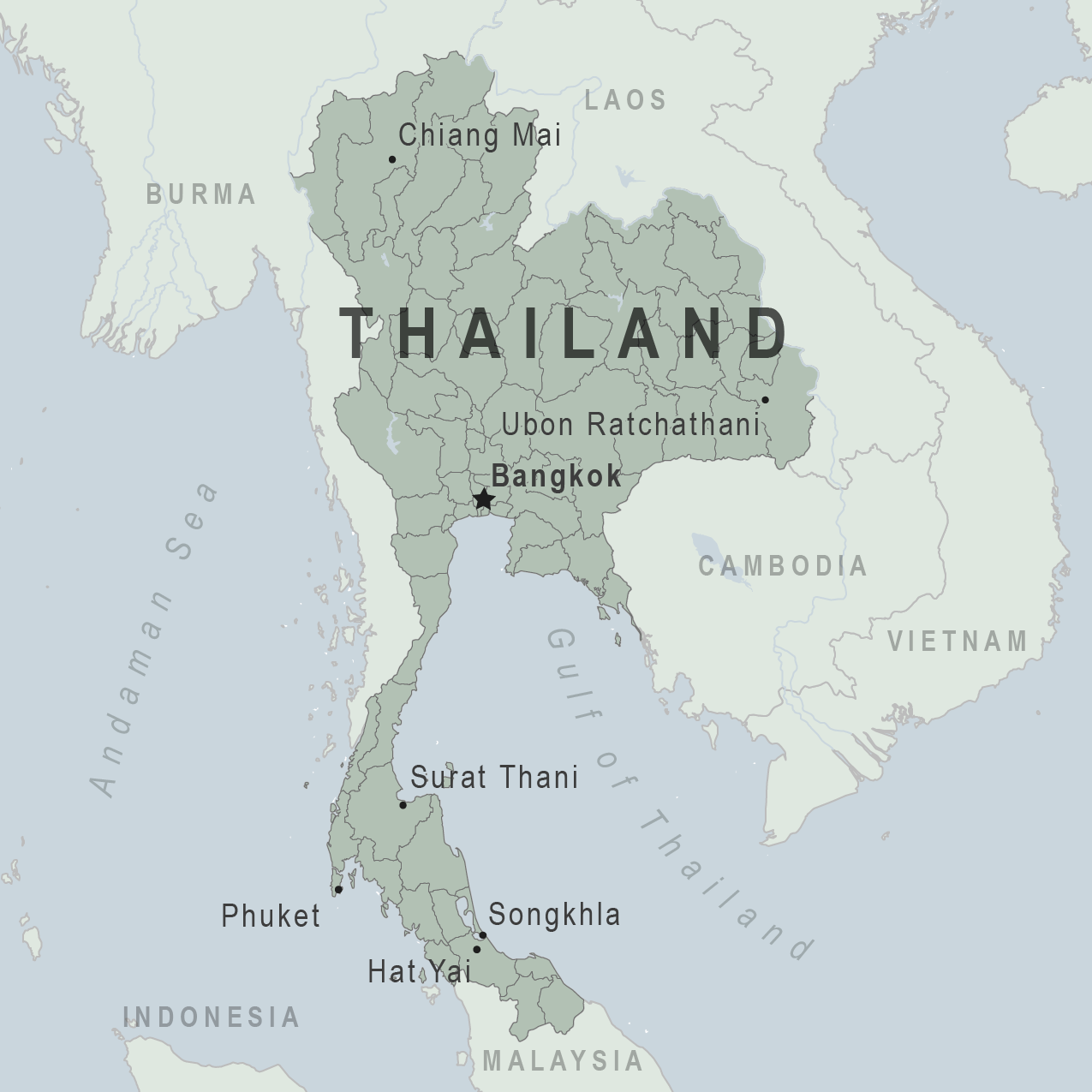
Malaria: When traveling in Thailand, you should avoid mosquito bites to prevent malaria. You may need to take prescription medicine before, during, and after your trip to prevent malaria, depending on your travel plans, such as where you are going, when you are traveling, and if you are spending a lot of time outdoors or sleeping outside. Talk to your doctor about how you can prevent malaria while traveling. Areas of Thailand with risk of malaria: Primarily in provinces that border Burma (Myanmar), Cambodia, and Laos and the provinces of Kalasin, Krabi (Plai Phraya district), Nakhon Si Thammarat, Narathiwat, Pattani, Phang Nga (including Phang Nga City), Rayong, Sakon Nakhon, Songkhla, Surat Thani, and Yala, especially the rural forest and forest fringe areas of these provinces. Rare to few cases in other parts of Thailand, including other parts of Krabi Province and the cities of Bangkok, Chiang Mai, Chiang Rai, Koh Phangan, Koh Samui, and Phuket.
None in the islands of Krabi Province (Koh Phi Phi, Koh Yao Noi, Koh Yao Yai, and Ko Lanta) and Pattaya City. See more detailed information about malaria in Thailand.
Hotels Near Bumrungrad
The following hotels have granted corporate rates for patients of Bumrungrad International Hospital. Click here!
Immigration and Customs
Generally, a foreign citizen who wishes to enter the Kingdom of Thailand is required to obtain a visa from a Royal Thai Embassy or a Royal Thai Consulate-General. However, nationals of certain countries do not require a visa if they meet visa exemption requirements as follows
- Nationals of countries which are exempted from visa requirements
- Nationals of countries which hold bilateral agreements with Thailand on the exemption of visa requirements
For more information please visit Thai Embassy and Consulates
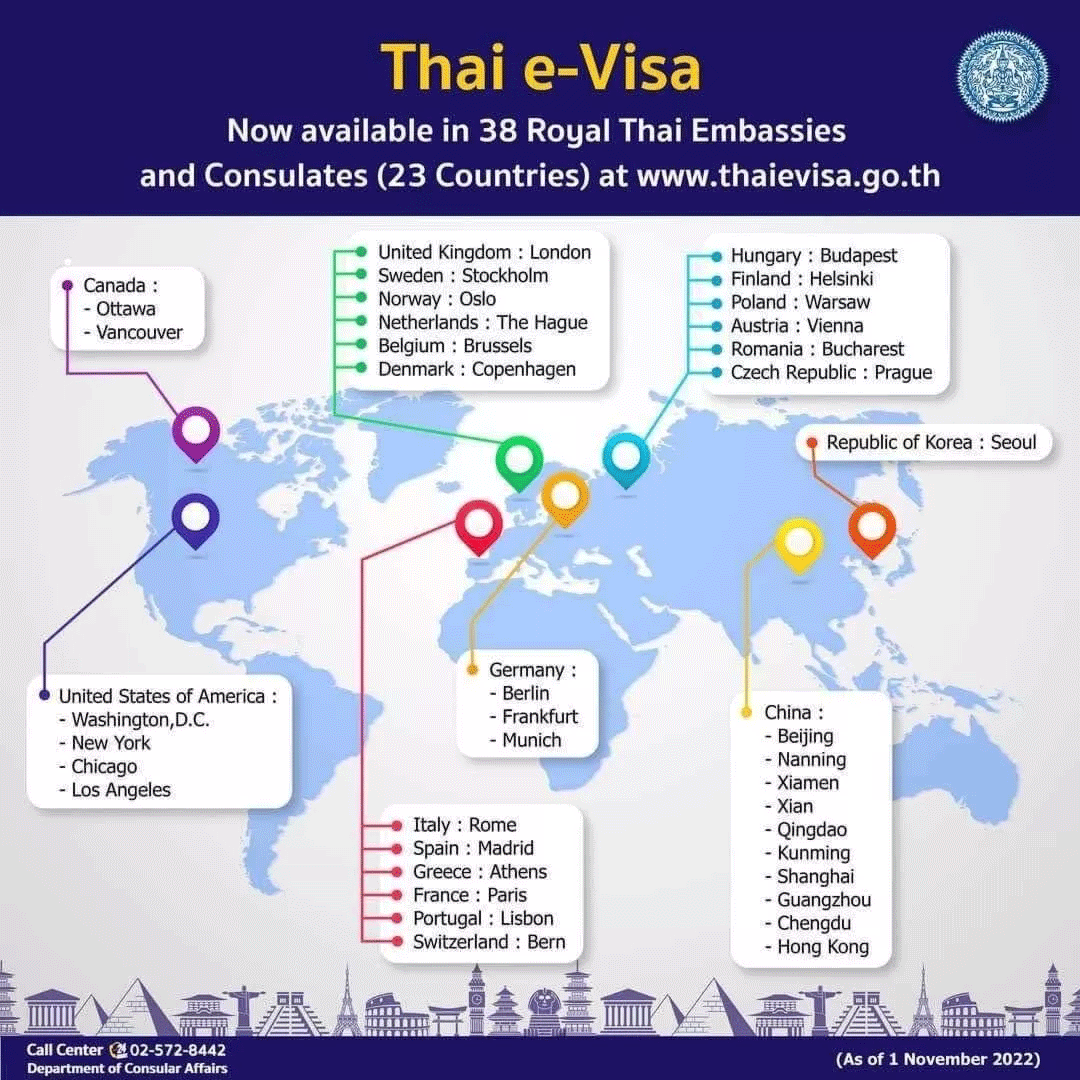
New process for applying visa to Thailand
For nationals of certain countries are required to apply for a visa only, the E-Visa applicants do not need to submit their passport and original supporting documents in person at a Royal Thai Embassy or Consulate. People will receive a reference number by email to monitor their application.
After the e-Visa application has been approved, a confirmation email is sent to applicants. It is best to print a copy of the confirmation email when you are ready to travel. This will be presented to airlines and Thai Immigration officials when traveling to Thailand.
For more information about e-visa please visit https://thaievisa.go.th/
Thai Custom: Guidelines for Airport Passengers click here
Patient Information and Education
Patient's Rights
We can provide better medical care when you and your family work together as partners with our staff. While it is our responsibility to advise you of your rights as a patient; you also have responsibilities in your treatment and care. We urge you to ask questions, cooperate, and be proactive in the medical care plan. If you have questions or concerns, please discuss with any staff member or manager.
While you are in our hospital, you have certain rights as a patient:
1. Patients have fundamental rights to get medical care from healthcare professionals without discrimination as stated in the constitution.
2. Patients have the rights to receive truthful and adequate information about the illness, investigation, treatment, as well as benefits and risks from healthcare professionals in an appropriate language before making a decision to consent except in a case of emergency and life-threatening conditions.
3. Patients with life-threatening conditions have the rights to receive immediate medical attention from healthcare professionals without the need to request for help.
4. Patients have the rights to know name and profession of the responsible healthcare providers.
5. Patients have the rights to ask for an opinion of another healthcare professionals and have the rights to request for a change to other healthcare professionals or medical facility that comply with the terms and conditions of respective health insurance.
6. Patients have the rights to confidentiality of medical information except when a consent is provided or when the information is required by healthcare professionals to provide direct medical benefits.
7. Patients have the rights to be completely informed before making a decision to participate in human subject research
8. Patients have the rights to make a request for information in their medical record that comply with hospital rules and regulations as long as the request does not violate the rights of others.
9. A parent or legal guardian may exercise the rights on behalf of the patient who is under 18 years old or physically or mentally incompetent.
If You have Questions, Concerns, or Comments
Please contact us in one of the following channels
1. Tell our staff directly (attending nurse or doctor)
2. Write your comments on a patient feedback card and give it to one of our staff or put it in one of the suggestion box located throughout the hospital
3. Call our Contact Center (dial “00” for internal hospital line or 0-2066-8888 from outside)
4. Send us an e-mail to: [email protected]
Patient’s Responsibilities
1. Patients are responsible for asking for information and potential risks before signing an informed consent for diagnostic or treatment procedure.
2. Patients are responsible for providing truthful and complete health and other information to the responsible healthcare professionals
3. Patients are responsible for cooperating and following healthcare professionals’ recommendations about medical care and should notify when the compliance may not be possible.
4. Patients are responsible for cooperating and complying with the following hospital’s rules and regulations:
4.1 Patients are responsible for providing complete and correct information for reimbursement from an insurance company as soon as possible after receiving an invoice from the hospital.
4.2 Patients are responsible for providing a copy of advance directive, living will, and written decision of preferred treatment options
4.3 Patients are responsible for the medical appointments or inform the hospital if rescheduling is needed.
4.4 patients are responsible for direct cooperation with hospital management representatives to resolve a complaint.
4.5 Patients are responsible for bringing only personal items essential for the hospital stay but not valuables.
4.6 Patients are responsible for not leaving the hospital facility without a permission from the doctor or nurse to ensure patient safety.
4.7 Patients are responsible for receiving medical and nursing care only from the hospital but not by other persons or by themselves except when instucted by the hospital to do so.
4.8 Patients are responsible for treating healthcare professionals, other patients, and visitors with courtesy and respect.
4.9 Patients are responsible for informing about health insurance benefit with proper documentation to the hospital.
5. Patients are responsible for being aware of the following facts:
5.1 Healthcare professionals who perform standard and ethical practice are protected by law and have the rights to be protected from unfair accuse.
5.2 Medical care refers to a current medical practice that is based on scientific evidence to show higher benefits than risks to the patient.
5.3 Medical care cannot diagnose, prevent, or treat all diseases or condition.
5.4 Any medical care can result in unexpected consequences despite the fact that the healthcare professional have been extremely careful in any situation.
5.5 Any test for disease screening, diagnosis, and treatment monitoring might have inaccurate result because of technological limitation and other uncontrollable by current standards.
5.6 Healthcare professionals have the rights to choose an evidence-based medical treatment option in a given context and limitations as well as to consult or refer the patient as appropriate.
5.7 Healthcare professionals may consult or refer the patient who are not in an emergency or life-threatening condition.
5.8 Medical care provided by healthcare professionals might be compromised if necessary health information is not disclosed by the patient.
5.9 Emergency room is only for patients who are in emergency and life-threatening condition.
Any act of physical violence, verbal threats or intimidation towards the hospital staff will not be tolerated. Anyone, who uses violence against hospital staff, is prosecuted and may be banned from using hospital services.
ETHICS CONSULTATION
Our VitalLife’s Ethics Committee is available to consult with patients and families who face ethical issues or questions regarding their care choices. To arrange for a consultation please call +66 2 0668899 and tell the representative you’d like to speak with a member of the Ethics Committee.
Consent to Share Medical Information
At VitalLife Scientific Wellness Center, we support seamless and coordinated care for our clients. As part of this service, we may assist in sharing your medical report or health summary with your referring physician, your primary physician, or your physician in your home country to ensure continuity of care and accurate medical decision-making. This process is carried out only with your informed consent and in accordance with our strict hospital privacy and security standards. All medical information is handled securely and transmitted through approved, encrypted channels. Your consent will remain valid going forward unless you request a change. If at any time you wish to update or withdraw your consent, please inform our care team and we will assist you immediately. Upon your arrival at VitalLife, our staff will confirm your preference directly to ensure accuracy and respect your decision.
Safety and Security
The Kingdom of Thailand continue to attract thousands of tourists and new residents from around the world, all drawn to its diverse landscapes, world-famous cuisine, and ancient culture. Although tourists and residents of Thailand can enjoy relative calm and safety throughout their time in the Kingdom, it’s important to be aware of the current realities facing Thailand.
Political Situation in Thailand
The government structure of Thailand is known as a Constitutional Monarchy, currently under King Maha Vajiralongkorn, who ascended the throne in December 2016 following the October 2016 passing of King Bhumibol Adulyadej.
Since 2005, Thailand has experienced many instances of political turmoil which include a military coup d’état in 2006 that resulted in the removal of then-Prime Minister Thaksin Chinawat, followed by anti-government protests and conflicts between competing political factions for several years. Despite the formal end of the military government in 2019, the army continues to dominate the new administration. The March 2019 general election resulted in a coalition government led by the military-aligned Phalang Pracharat (PP) party, under the prime ministership of Prayuth Chan-ocha.
Today, the political situation in most of Thailand is relatively calm, with the new constitution having been signed in April 2017. However, the Southern region of the country continues to experience unrest and violence due to ethnic and nationalist insurgents. Officials continue to advise tourists and residents to exercise caution when traveling to these areas, and to always stay informed of the current political climate. In Bangkok, political street protests sometimes take place and could affect traffic.
Thailand has a healthy and fairly consistent system of information and journalism, where the most current political events and realities are covered both in English and Thai. One such outlet is the Bangkok Post.
Safety in Thailand: Road Travel
Traveling within Thailand is relatively simple with buses, trains, planes, and boats making it possible to reach nearly all areas of the country rather easily. Within the city of Bangkok taxis, motorcycles, cars, and an extensive subway system connects the entire city. For those who choose to drive in Thailand, there are some important points to consider regarding the laws and regulations that govern driving in Thailand. The website “Driving in Thailand” provides comprehensive information on the rules, regulations, and expectations that come along with driving in Thailand.
For infection prevention and control measures at Bumrungrad International Hospital
- 5 Simple ways to prevent infection
- Wash your hands and use alcohol-based hand sanitizers.
- Immediately see the doctor if you have cold or other respiratory infection (runny nose, fever, coughing, or sneezing.
- Cover your mouth and nose when sneezing or coughing.
- If you are sick, avoid close contact with other people.
- Please advise your friends and relatives to stay home if they are sick.
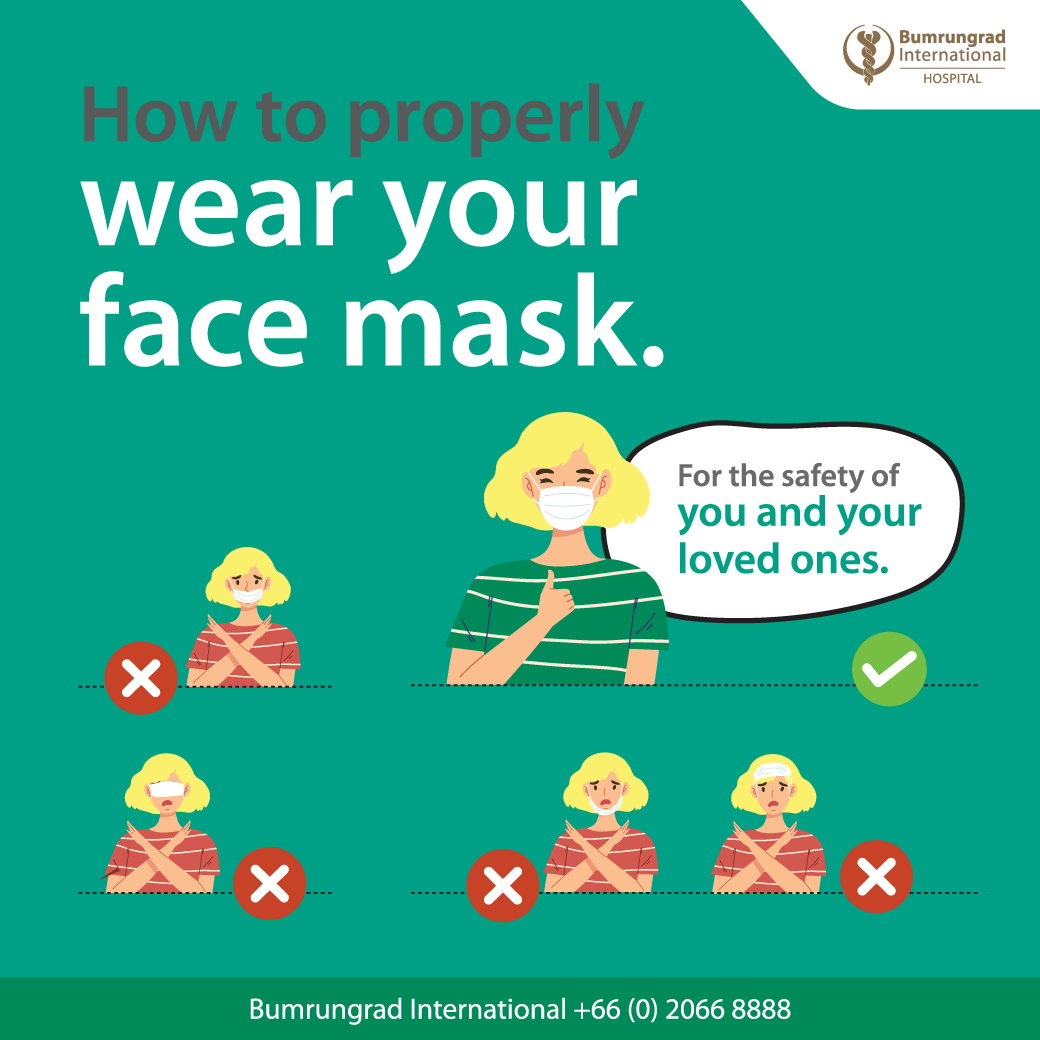
- Make sure you choose a face mask that meets your needs.
- Bumrungrad raises the bar with a UV light disinfecting robot to fight COVID- 19
PREVENTIVE MEASURES FOR YOUR SAFETY AT BUMRUNGRAD INTERNATIONAL HOSPITAL
- Guidelines for Receiving Treatment at Bumrungrad International Hospital
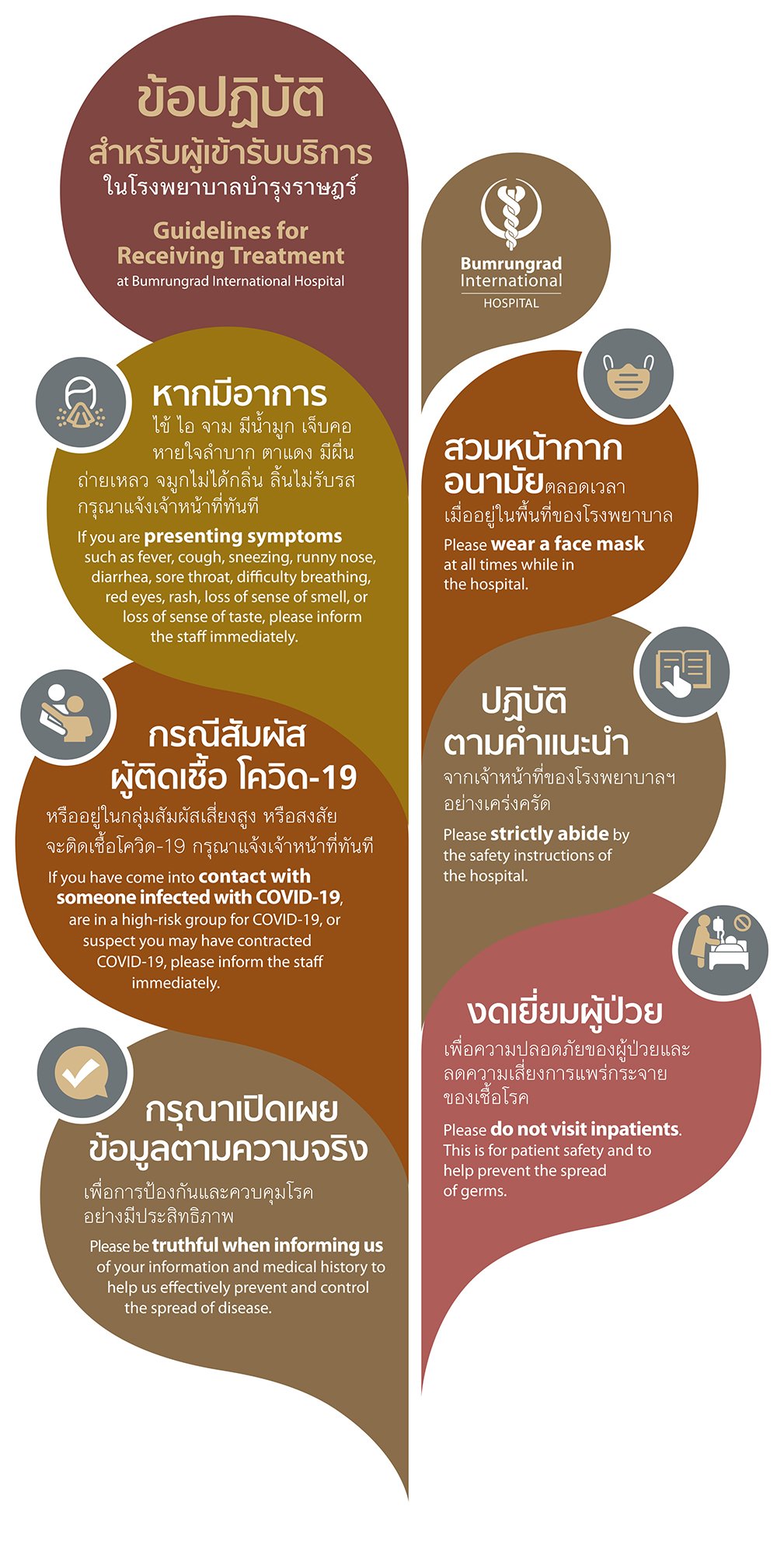
- The hospital’s highest priority is to provide everyone with the safest environment possible. So, advised you to wear face mask at all times while you are at the hospital-both inside the hospital buildings and outdoors.
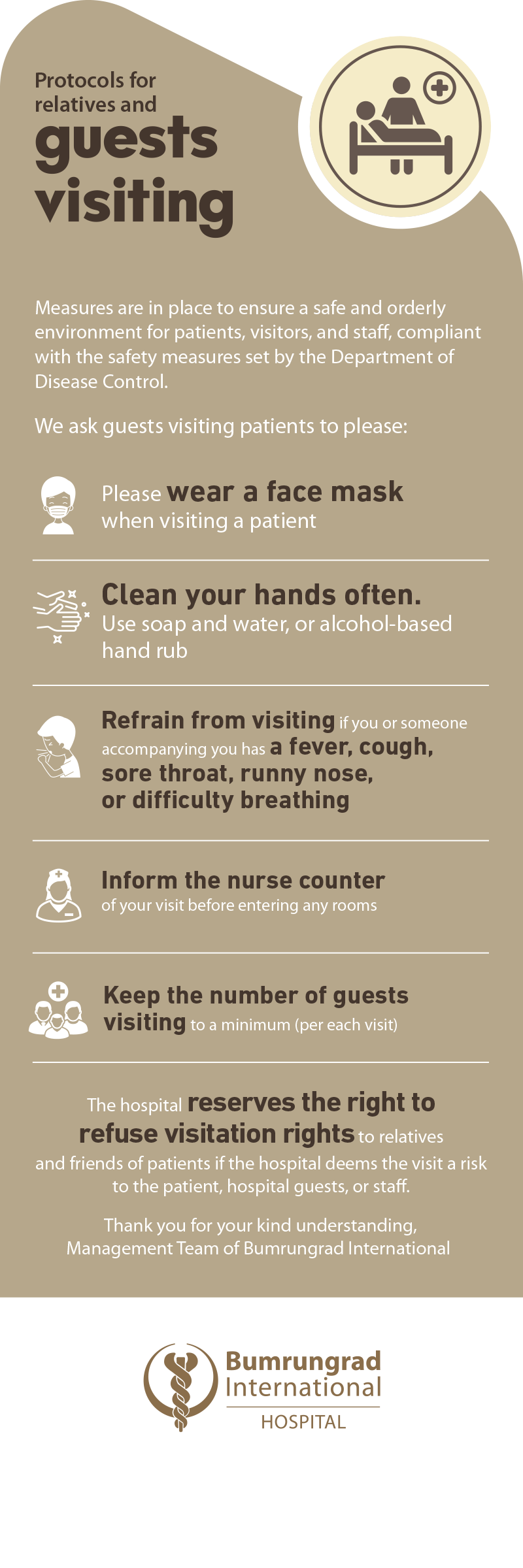
- Protocols for relatives and guests visiting
Measure are in place to ensure a safe and orderly environment for patient, visitors, and staff, compliant with the safety measures set by the Department of Disease Control
Special Announcement
Political status
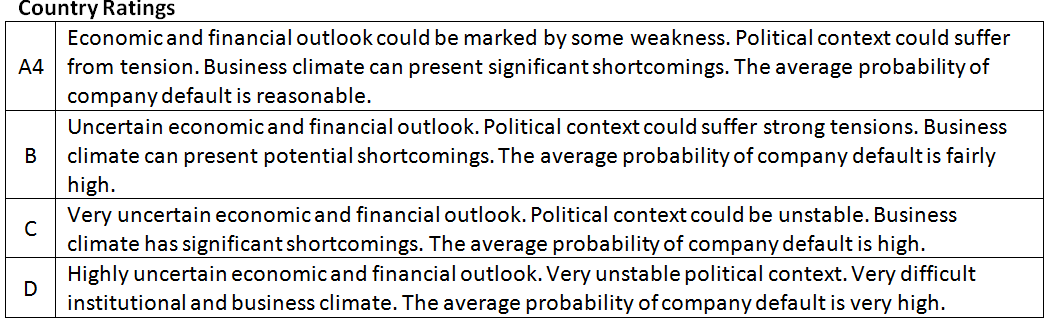
COUNTRY RISK ASSESSMENT
A4
Country Risk
See the country risk analysis provided by Coface.
WHO Thailand
For more information click here
Weather Status
Live Weather Click here
Thailand's Entry Requirements?
Thailand’s Centre of COVID-19 Situation Administration (CCSA) announced the ending of the nationwide COVID-19 Emergency Decree on 30 September 2022, as the kingdom reclassifies COVID-19 from ‘a dangerous communicable disease’ to ‘a communicable disease under surveillance’ from 1 October 2022.
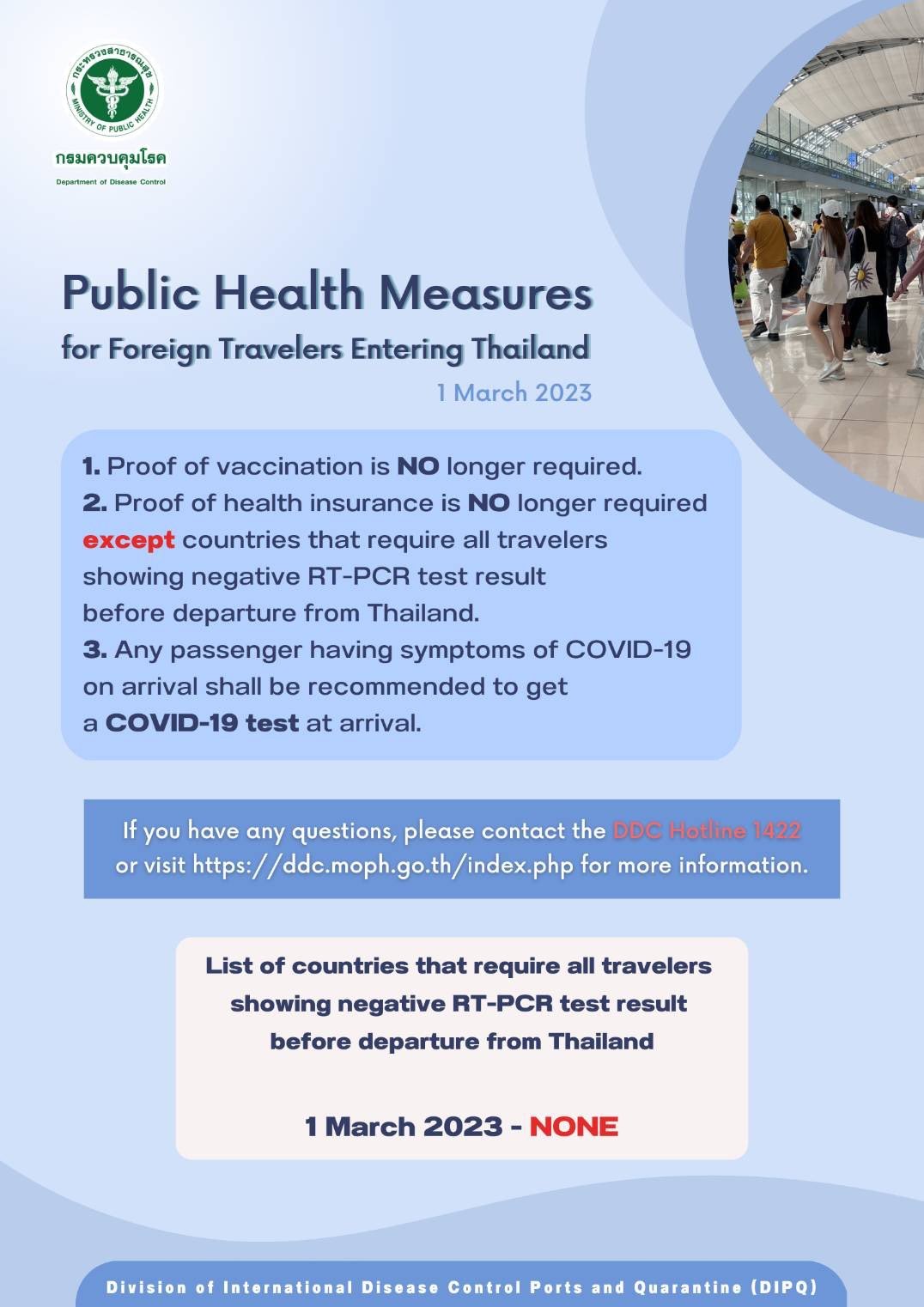
Source: Department of Disease Control, Ministry of Public Health
Travel Advice and Support
Once you’ve decided to travel to Bangkok, you may want to learn more about Thailand and how you can make the most out of your trip. The best place to start your research would be the Tourism Authority of Thailand’s website, which covers a wide range of topics such as:
- General information about Thailand
- General information about Bangkok
- What to expect from Thailand’s weather
- Frequently asked questions about traveling in Thailand
- Restrictions on narcotics and psychotropic substances in Thailand.
Regulations on opening the Thai bank account for foreigner staying in Thailand/living in Thailand
Disclaimer: This information is the general information based on Bank of Thailand for foreigner which can be varied based on the individual financial institution’s regulations. you’ll need:
1. Foreigner with Thai Permanent Residence
- Copy of Household Registration
- Passport
2. Foreigner with work permit
- Work Permit
- Passport
3.Foreigner with long-term visa
- Non-immigrant B visa for business/work, O-Along-stay visa, or a 3 year non-immigrant visa
- Long-Term Resident Visa (LTR)
- Thailand Privilege
Some banks may ask for more:
- Proof of Thai residency (Thai residence permit, utility bill, rental agreement etc.)
- Proof of residency in your home country (utility bill, bank statement, driver’s license, etc.)
- Proof of property ownership in Thailand
- Letter of reference from your embassy, your home bank, or a Thai educational institution
Travel Checklist
Once your appointment at Bumrungrad International Hospital has been confirmed, our medical travel team will send you a packet of important information you need to know before traveling. To help you better prepare your medical travel itinerary, please take a look at this travel checklist.
Section I: Traveling by Air
In general, if you have the below conditions; it is prohibited to travel by air
- Have passed 36 weeks of pregnancy (or 32 weeks if you are carrying twins, triplets, etc.).
- Have a recent heart attack or stroke. Or any type of surgery, especially stomach, brain, eye, orthopedic (bone and joint) surgery including stomach, eye, or head injury. Please check with your doctor to see when it is safe for you to travel.
- Have an implanted cardiac device such as pacemakers, cardiac resynchronization therapy (CRT) devices and implantable cardioverter defibrillators (ICD); please check with your doctor before travelling by air. Don’t forget to carry your personal device identification card with you at all times.
- Have flu-like symptoms with or without tuberculosis like symptoms such as prolonged cough, weight loss, night sweat, fatigue, fever, and chest pain for more than 2 weeks. We strongly advise you to not travel at this stage, and for them to continue treatment with their current care team until his symptoms have resolved completely.
- Are suffering from the below signs and symptoms, please check with your doctor to see when it is safe for you to travel.
- Chest pain.
- Any disease that you can easily spread to other people.
- Severe sinus, ear, or nose infections.
- Breathlessness at rest, difficult breathing.
- Psychotic illness except when fully controlled.
- A fever of 100 degrees Fahrenheit (38 degrees Celsius) or greater.
- Skin rash
- Confusion
- Bruising or bleeding (without previous injury)
- Diarrhea that does not go away.
- Vomiting that does not go away (other than motion sickness).
During the flight:
- Keep all of your medications in your hand luggage.
- Drink plenty of water to help prevent hydration and to help loosen your sputum and allow you to keep your chest clear from low humidity levels in air cabin.
- During a long-distance flight of 4 hours or longer (Also see https://www.cdc.gov/ncbddd/dvt/travel.html , deep vein thrombosis can occur as a result of this inactivity; make sure you get up and walk about regularly when permitted by the staff on the aircraft. Bend and stretch your legs and wiggle your feet at regular intervals (for example every 30 minutes) to encourage your circulation.
- If you have a higher risk of developing deep vein thrombosis, your doctor can help you work out what measures you may need to take prior to flying. This may include graduated compression stockings, aspirin, or anticoagulants.
- If you will need oxygen during the flight, this must be requested in advance. A Medical Information Form, stating your current clinical condition and the reason for oxygen requirement, must be filled out and submitted to the airlines. It may take 3-5 working days to process and subjected to the airlines approval.
Section II: Pre-operative Preparation
- Please inform your doctor before the surgery if you have an existing medical condition for which you are taking medication and/or you have undergone any previous surgeries.
- If you are taking blood thinner medications such as Aspirin, Clopidogrel (Plavix®), Warfarin, Orfarin®, Rivaroxaban (Xarelto®), Apixaban (Eliquis®), Dabigatran (Pradaxa®), Edoxaban (Lixiana®) or dietary supplements such as vitamin E, fish oil, please inform physician ahead of time because you may be asked to temporarily stop your medications so you can safely have the surgery.
- If you smoke and drink alcohol regularly, please stop for at least one week before the surgery to reduce the chances of complications.
- If you have any underlying diseases: cardiovascular disease / diabetes / high blood pressure / asthma / cancer / or others including any allergic to any medications and any medicines you are taking, current treatment and correlating diagnosis, please inform physician in advance.

What do I need to prepare for my medical travel?
-
Check if your passport is valid and if you need a visa to travel to the destination country.
-
Decide how you will finance your medical payment, such as cash or credit card, and make sure additional cash in the local currency. Call your bank or card insurer to forewarn them that you may process a large payment abroad. This is to prevent banks from treating the transaction as suspicious and blocking your account.
-
Ensure that you have contact information to your clinic, transport provider and patient assistant.
-
Inform your employer about your absence at work due to medical travel.
-
Check the weather forecast for Bangkok and prepare yourself.
-
Arrange assistance at home when you are abroad.
-
Check if it is necessary for you to get certain vaccinations.
-
Remember to make your appointment at the clinic and pay the reservation fee if needed. Double check the dates.
-
Purchase appropriate flight tickets. Make sure someone will pick you up from the airport.
-
Remove any nail polish as the color of your nail plate may help indicate your health condition.
What should I take with me?
- Mobile phone with a charger
- Personal documents such as ID card, passport and visa
- Credit/debit card and some additional cash in the correct local currency.
- Medical records, including current diagnosis, films (X-ray, MRI, CT scan, ultrasound), biopsy results and your contact information.
- Daily medication, if any, in original packaging; any type of information regarding any chronic diseases that you may have.
- Items for leisure and entertainment purposes during your medical travel; for instance, books, magazines and music players
- Comfortable pajamas and bathrobe if your medical procedure requires overnight stays; for instance, it is recommended that you wear shorts instead of long trousers if you have a knee surgery scheduled; for a shoulder operation, you may consider bringing a zip-up blazer
- Comfortable undergarments and socks
- Shoes to walk around the clinic – if you are undergoing plastic or another upper-body surgery, then you may take slippers. In the case of the orthopedic procedure, please bear in mind that you need some more stable footwear trainers.
- A basic set of toiletries such as soap, shampoo, toothbrush and toothpaste, deodorant, comb, sanitary napkins, shaving kit, hair band, lip balm and face wash
- Towels
- A set of clothes for your physiotherapy and rehabilitation, if it is required after surgery; this may include tracksuit and a pair of sneakers
- Largely depends on the purpose of your medical travel, you may consider visiting sightseeing destinations; if that is the case, bring casual clothes and comfortable shoes; however, if you may undergo procedures that affect mobility, such as a hip replacement, you should consider bringing comfortable loose trousers, blazer and elastic shorts.
- Sleep essentials such as earplugs, pajamas and your favorite small pillow.