医疗旅行指南

个性化旅行协助
我们可以为您提供最新的建议,包括适当的疫苗接种、预防性用药,以及关于防范蚊虫传播疾病和旅行者腹泻的预防措施指导。我们的目标是让您的旅程尽可能舒适与健康。
传染病情况

Respiratory Virus Season Resources
Influenza Viruses Spreading this Season and Update on JN.1 Variant — While COVID-19 continues to cause more hospitalizations than influenza and respiratory syncytial virus (RSV),
right now, more people are going to emergency departments to get care and being diagnosed with flu than COVID-19. With seasonal flu activity elevated across the country,
CDC is tracking which influenza viruses are most common, where they are occurring, and how this might impact the public’s health. Since the fall, emergency department visits have been increasingly driven by flu.
While some recent data suggest flu may have peaked, CDC is watching closely for a second wave of flu activity, which happens during many seasons.
JN.1 is still the most prevalent variant : Remains the most widely circulating variant of SARS-CoV-2 in the United States and globally.
To learn more about this year’s influenza season and for an update on the JN.1 variant of SARS-CoV-2, please visit: Influenza Viruses Spreading this Season and Update on JN.1 Variant | CDC
Healthcare Quality Resources
Stay Alert for Measles Cases — Between December 1, 2023, and January 23, 2024, CDC was notified of 23 confirmed U.S. cases of measles, including seven direct importations of measles by international travelers and two outbreaks with more than five cases each.
Most of these cases were among children and adolescents who had not received a measles-containing vaccine (MMR or MMRV), even if age eligible. To learn more, please visit: COCA Now
SARS-CoV-2, Covid-19
| Situation - Thailand |
News related to the influenza situation:
|
| Global Situation |
|
Influenza, Avian Flu (Bird Flu),
| Situation - Thailand | News related to the influenza situation: The number of influenza cases in 2023 has risen fivefold when compared to last year's monthly averages and the Food and Drug Administration (FDA) is now warning against buying artificial influenza antiviral pills labelled oseltamivir that have been smuggled into the country. (Read more click link ) |
| Global Situation |
|
Dengue
| Situation - Thailand |
News related to the influenza situation:
|
| Global Situation |
|
Mpox (Monkey pox)
| Province Concern |
|
| Global Situation |
|
Middle East respiratory syndrome coronavirus (MERS-CoV)
| Province Concern | Saudi Arabia (Update 29 August 2023) |
| Global Situation | Kingdom of Saudi Arabia (Update 2 Oct 2024) The World Health Organization (WHO) was notified of one human case of Middle East respiratory syndrome coronavirus (MERS-CoV) on 5 September 2024, by the Ministry of Health of the Kingdom of Saudi Arabia (KSA). The case is a male from the Eastern Region of KSA aged between 50-55 years, with underlying health conditions. He had no history of contact with camels and was not a health worker. Since the beginning of the year, five cases including four deaths have been reported from KSA. (อ่านรายละเอียดเพิ่มเติม Click link ) |
Marburg virus disease
| Situation - Thailand | Currently, Thailand has not found any patients. 'Marburg virus', but now there are travel from different countries to Thailand. The Department of Disease Control will closely monitor the situation from the World Health Organization and other agencies. to continuously analyze and assess risks. At this time, no travel ban has been announced. But focusing on screening measures for travelers from Equatorial Guinea and neighboring countries (Read more click link ) |
| Global Situation |
|
入境要求
在确认您在康民国际医院的预约之前,您应该考虑泰国的入境要求。您可能需要接种疫苗或申请签证才能进入泰国。
健康和疫苗接种
与前往大多数其他国家的旅行一样,卫生局建议所有旅行者在旅行前确保他们接种了所有疫苗。每个旅行者都需要及时接种最新的常规疫苗,
包括:白喉-破伤风-百日咳疫苗、水痘疫苗、脊髓灰质炎疫苗、麻疹-腮腺炎-风疹 (MMR) 疫苗和常规流感疫苗。
此外,请参阅下表,了解在进入泰国之前可能适用于特定人群的更具体的疫苗建议。
更多信息请访问 www.cdc.gov
|
Vaccine |
Who Needs It? |
Why? |
|
Measles |
All travelers: Infants 6 to 11 months old traveling internationally should get 1 dose of measles-mumps-rubella (MMR) vaccine before travel. This dose does not count as part of the routine childhood vaccination series. |
|
|
Routine vaccines |
All travelers |
There is a risk of contamination through food or water. |
|
Malaria |
Most travelers |
CDC recommends that travelers going to certain areas of Thailand take prescription medicine to prevent malaria. Depending on the medicine you take, you will need to start taking this medicine multiple days before your trip, as well as during and after your trip. Talk to your doctor about which malaria medication you should take. |
|
Hepatitis A |
Most travelers: Recommended for unvaccinated travelers one year old or older going to Thailand. Infants 6 to 11 months old should also be vaccinated against Hepatitis A. The dose does not count toward the routine 2-dose series. Travelers allergic to a vaccine component or who are younger than 6 months should receive a single dose of immune globulin, which provides effective protection for up to 2 months depending on dosage given. Unvaccinated travelers who are over 40 years old, immunocompromised, or have chronic medical conditions planning to depart to a risk area in less than 2 weeks should get the initial dose of vaccine and at the same appointment receive immune globulin. |
There is a high risk of contamination through food or water. |
|
Typhoid |
Most travelers: Recommended for most travelers, especially those staying with friends or relatives or visiting smaller cities or rural areas. |
There is a risk of contamination through food or water. |
|
Cholera |
Some travelers: There is no longer active cholera transmission and vaccine is not recommended. |
There is a risk for contamination through food or water, especially in areas where there is an active transmission. |
|
Hepatitis B |
Some travelers: Recommended for unvaccinated travelers of all ages to Thailand. |
Hepatitis B is transmitted through sexual contact, as well as through contaminated needles and other blood products. |
|
Japanese Encephalitis |
Some travelers: Recommended for travelers who are moving to an area with Japanese encephalitis to live spend long periods of time, such as a month or more, in areas with Japanese encephalitis frequently travel to areas with Japanese encephalitis consider vaccination for travelers spending less than a month in areas with Japanese encephalitis but will be doing activities that increase risk of infection, such as visiting rural areas, hiking or camping, or staying in places without air conditioning, screens, or bed nets going to areas with Japanese encephalitis who are uncertain of their activities or how long they will be there not recommended for travelers planning short-term travel to urban areas or travel to areas with no clear Japanese encephalitis season. |
There have been reports of transmissions in Northern Thailand, as well as the coastal areas of Southern Thailand. |
|
Rabies |
Some travelers: Rabid dogs are commonly found in Thailand. However, if you are bitten or scratched by a dog or other mammal while in Thailand, rabies treatment is often available. Consider rabies vaccination before your trip if your activities mean you will be around dogs or wildlife.Travelers more likely to encounter rabid animals include campers, adventure travelers, or cave explorers (spelunkers) veterinarians, animal handlers, field biologists, or laboratory workers handling animal specimens visitors to rural areas since children are more likely to be bitten or scratched by a dog or other animals, consider rabies vaccination for children traveling to Thailand. |
Although rabies is not a major risk in Thailand, it can be found in some animals, especially street dogs and cats. |
|
Yellow Fever |
Some travelers: Required if traveling from a country with risk of YF virus transmission and ≥9 months of age, including transit >12 hours in an airport located in a country with risk of YF virus transmission.1 |
There is no risk of yellow fever contamination in Thailand. However, the government of Thailand requires proof of vaccination against yellow fever from all travelers who are coming from countries that have a risk of contamination. To determine if you are one of these travelers, please see this list from the Centers for Disease Control and Prevention |
疟疾:在泰国旅行时,应避免蚊虫叮咬以预防疟疾。您可能需要在旅行之前、之中和之后服用处方药来预防疟疾,具体取决于您的旅行计划,例如您要去哪里、何时旅行,以及您是否在户外度过大量时间或在外面睡觉。与您的医生讨论如何在旅行时预防疟疾。有疟疾风险的泰国地区:主要分布在缅甸)、柬埔寨和老挝接壤的省份以及加拉信、甲米 (Plai Phraya district), Nakhon Si Thammarat, Narathiwat, Pattani, Phang Nga (包括 Phang Nga市内), Rayong, Sakon Nakhon, Songkhla, Surat Thani, 和 Yala,特别是这些省份的农村森林和森林边缘地区。泰国其他地区罕见,包括甲米府其他地区和曼谷、清迈、清莱、帕岸岛、苏梅岛和普吉岛等城市。
甲米省((Koh Phi Phi, Koh Yao Noi, Koh Yao Yai, and Ko Lanta))和芭堤雅市没有。请参阅有关泰国疟疾的详细信息。malaria in Thailand.
靠近曼谷国际医院的酒店
酒店住宿
以下酒店为曼谷国际医院的患者提供公司协议价。点击这里! Click here!
海关入境
一般来说,外国公民进入泰王国需要从泰国大使馆或泰国领事馆获得签证。然而,某些国家的公民如果符合以下免签要求,则无需签证。
- 免签国家的国民
- 与泰国签订免签双边协议的国家的国民
欲了解更多信息,请访问泰国大使馆和领事馆
泰国签证申请新流程
对于某些国家只需要申请签证的国民,电子签证申请人不需要亲自在泰国皇家大使馆或领事馆提交护照和原始证明文件。人们将通过电子邮件收到一个参考号码来监控他们的申请。
电子签证申请批准后,会向申请人发送确认邮件。当您准备旅行时,最好打印一份确认邮件的副本。这将在前往泰国时向航空公司和泰国移民官员出示。
有关电子签证的更多信息,请访问 https://thaievisa.go.th/
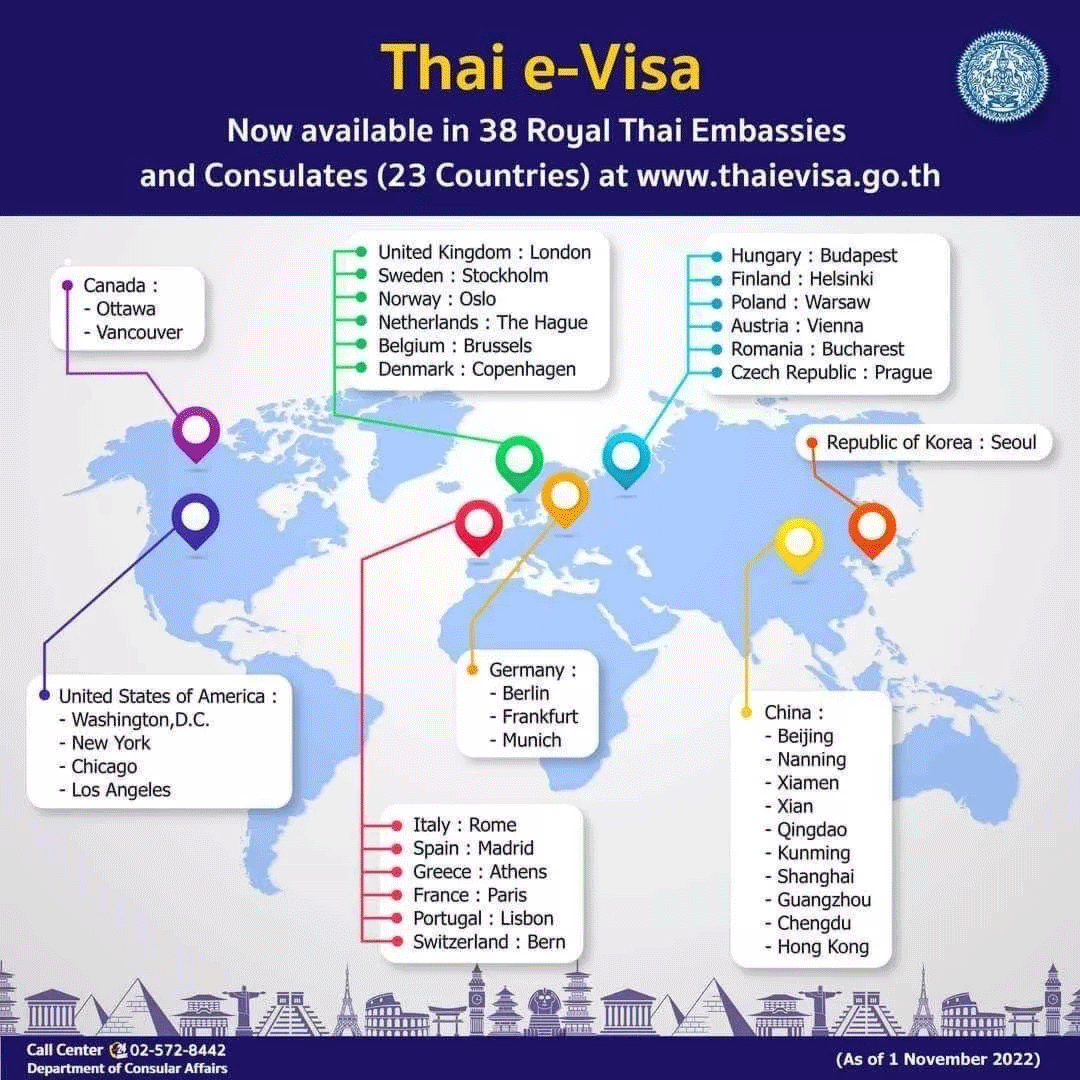
Thai Custom: Guidelines for Airport Passengers click here
患者信息和教育
患者的权利
当您和您的家人与我们的员工合作时,我们可以提供更好的医疗服务。我们有责任告知您作为患者的权利;您也有责任接受治疗和护理。我们敦促您提出问题、配合并积极参与医疗护理计划。如果您有疑问或疑虑,请与任何工作人员或经理讨论。
当您在我们医院就诊时,您作为患者享有某些权利:
- 根据宪法规定,患者享有不受歧视地从医疗保健专业人员那里获得医疗服务的基本权利。
- 患者有权在做出同意决定之前,以适当的语言从医疗保健专业人员处获得有关疾病、 调查、治疗以及益处和风险的真实且充分的信息;紧急情况和危及生命的情况除外。
- 患有危及生命的患者有权立即获得医疗保健专业人员的医疗护理,而无需寻求帮助。
- 患者有权了解负责的医疗保健提供者的姓名和职业。
- 患者有权征求其他医疗保健专业人员的意见,并有权要求更换符合各自健康保险条款和条件的其他医疗保健专业人员或医疗机构。
- 患者有权对医疗信息保密,除非获得同意或医疗保健专业人员需要该信息来提供直接医疗福利。
- 患者在决定参与人体受试者研究之前有权完全知情。
- 在不侵犯他人权利的情况下,患者有权要求提供符合医院规章制度的病历信息。
- 父母或法定监护人可以代表未满 18 岁或身体或精神上无行为能力的患者行使权利。
如果您有疑问、疑虑或意见
请通过以下渠道之一联系我们:
- 直接告知我们的工作人员(主治护士或医生)。
- 通过 BH App 应用程序中的 “Care to Share”主题表达您的意见。
- 致电我们的联络中心(医院内部拨打“00”,外部拨打 0-2066-8888)。
- 发送电子邮件至 [email protected]
患者的责任
- 患者有责任在签署诊断或治疗程序的知情同意书之前询问信息和潜在风险。
- 患者有责任向负责的医疗保健专业人员提供真实、完整的健康和其他信息。
- 患者有责任配合并遵循医疗保健专业人员关于医疗护理的建议,并应在可能无法遵守时发出通知。
- 患者有责任配合并遵守医院的下列规章制度:
4.1 患者有责任在收到医院发票后尽快向保险公司提供完整、正确的报销信息。
4.2 患者有责任提供一份预先指示、生前遗嘱和首选治疗方案的书面决定的副本。
4.3 患者自行负责预约就诊或如需改期通知医院。
4.4 患者有责任直接与医院管理代表合作解决投诉。
4.5 患者有责任仅携带住院期间必需的个人物品,不得携带贵重物品。
4.6 未经医生或护士许可,患者有责任不能离开医院设施,以确保患者安全。
4.7 患者仅负责接受医院的医疗和护理,不得接受其他人或自己的医疗和护理,除非医院指示能这样做。
- 患者有责任以礼貌和尊重的方式对待医疗保健专业人员、其他患者和访客。
- 患者有责任通过适当的文件向医院告知健康保险福利。
- 患者有责任了解以下事实:
7.1 执行标准和道德实践的医疗保健专业人员受到法律保护,并有权受到保护,免受不公平指控。
7.2 医疗护理是指基于科学证据对患者显示出的益处大于风险的当前医疗实践。
7.3 医疗护理不能诊断、预防或治疗所有疾病或病症。
7.4 尽管医疗保健专业人员在任何情况下都非常小心,但任何医疗护理都可能导致意想不到的后果。
7.5 任何用于疾病筛查、诊断和治疗监测的测试都可能因技术限制和现行标准无法控制的因素而产生不准确的结果。
7.6 医疗保健专业人员有权在特定情况和限制下选择循证医疗方案,并有权酌情咨询或转介患者。
7.7 医疗保健专业人员可以咨询或转介未处于紧急或危及生命状况的患者。
7.8 如果患者不披露必要的健康信息,医疗保健专业人员提供的医疗护理可能会受到影响。
7.9 急诊室仅接待处于紧急情况和危及生命的情况的患者。
任何针对医院工作人员的身体暴力、口头威胁或恐吓行为都不会被容忍;任何对医院工作人员使用暴 力的人都会受到起诉,并可能被禁止使用医院服务。
道德咨询
我们医院的道德委员会可以向面临道德问题或有关护理选择的疑问的患者和家属进行咨询;如需安排咨询,请在医院内按电话上的“00”或在医院外按 0-2066-8888 致电医院联络中心,并告诉代表您想与道德委员会成员交谈;或者发送电子邮件至[email protected]
Last reviewed in May 2024
安全和安保
安全与保障
泰王国吸引着来自世界各地的成千上万的游客和新居民,他们都被多样的风景、世界著名的美食和古老的文化所吸引。虽然游客和居民在泰国可以享受相对平静和安全的生活,但重要的是要了解泰国目前面临的现实。
泰国政局
泰国的政府结构被称为君主立宪制,目前由国王玛哈·哇集拉隆功统治,他在2016年10月国王普密蓬·阿杜德去世后于2016年12月登基。
自2005年以来,泰国经历了许多政治动荡,其中包括2006年的军事政变,导致时任总理他信下台,随后的反政府抗议和竞争政治派系之间的冲突持续了数年。尽管2019年军政府正式结束,但军队继续主导新政府。2019年3月的大选导致了由与军方结盟的Phalang Pracharat(PP)党领导的联合政府,由总理巴育·占奥差(Prayuth Chan-ocha)为领导。
今日,随着新宪法于2017年4月签署,泰国大部分地区的政治局势相对平静。然而,该国南部地区仍在经历种族和民族主义叛乱者的动荡和暴力。官员们继续建议游客和居民在前往这些地区时保持谨慎,并随时了解当前的政治气候。在曼谷,政治街头抗议有时会发生,并可能影响交通。
泰国拥有一个健康且相当一致的信息和新闻系统,其中大多数当前的政治事件和现实都以英语和泰语进行报道。其中一个这样的渠道是《曼谷邮报》。
泰国安全:公路旅行
在泰国旅游相对简单,有公共汽车、火车、飞机和船只,几乎可以轻松到达该国所有地区。在曼谷市内有出租车、摩托车、汽车和广泛的地铁系统连接了整个城市。对于那些选择在泰国开车的人来说,有一些重要的要点需要考虑到管理泰国驾驶的法律法规。“泰国驾驶”网站提供了关于泰国驾驶的规则、法规和期望的全面信息。
康民国际医院感染防控措施
- 5个简单方法预防感染
- 洗手并使用含酒精的洗手液。
- 如果您感冒或有其他呼吸道感染(流鼻涕、发烧、咳嗽或打喷嚏),请立即就医。
- 打喷嚏或咳嗽时,请掩住口鼻。
- 如果您生病了,请避免与他人密切接触。
- 请建议您的朋友和亲戚如果生病了,请呆在家里。
- 确保您选择了符合您需要的口罩。
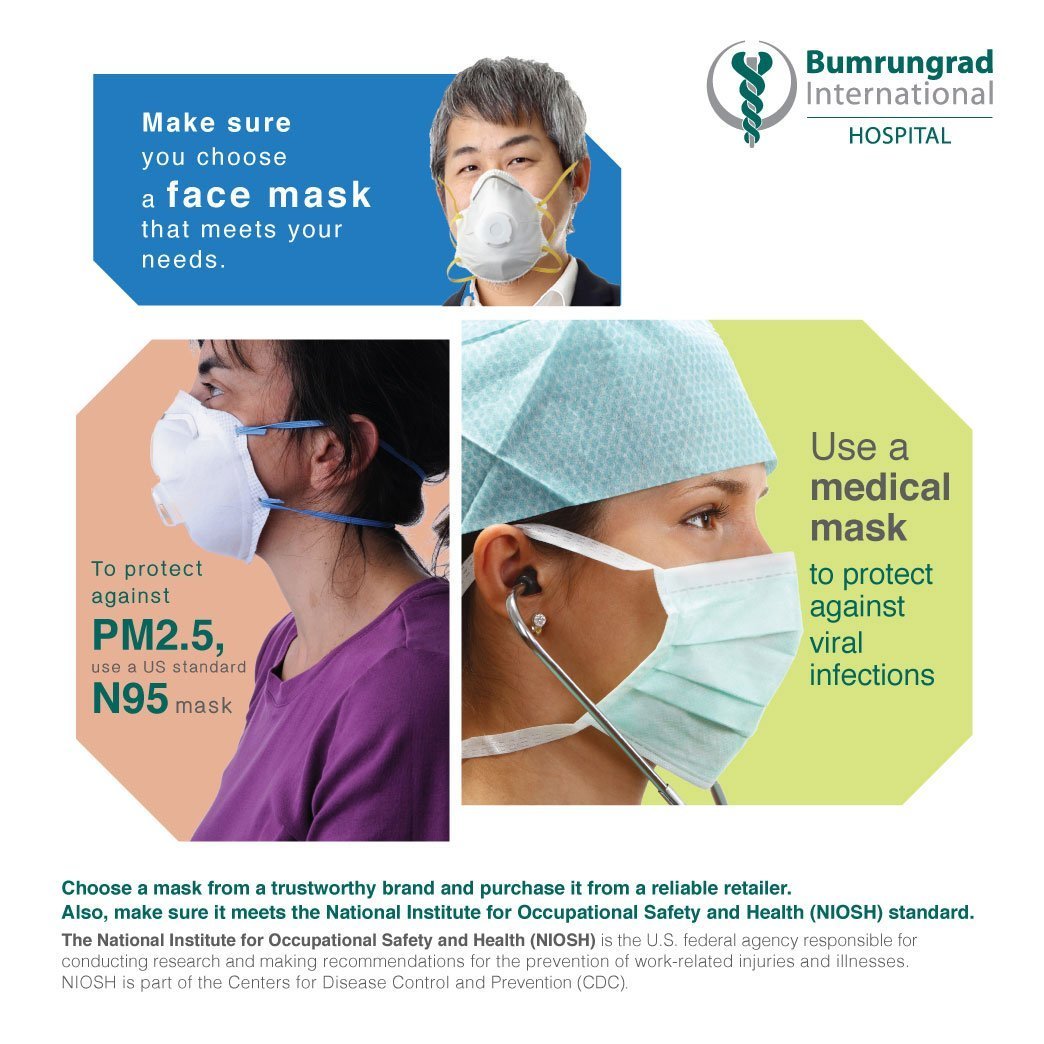
康民国际医院的安全预防措施
- 在康民国际医院接受治疗指南
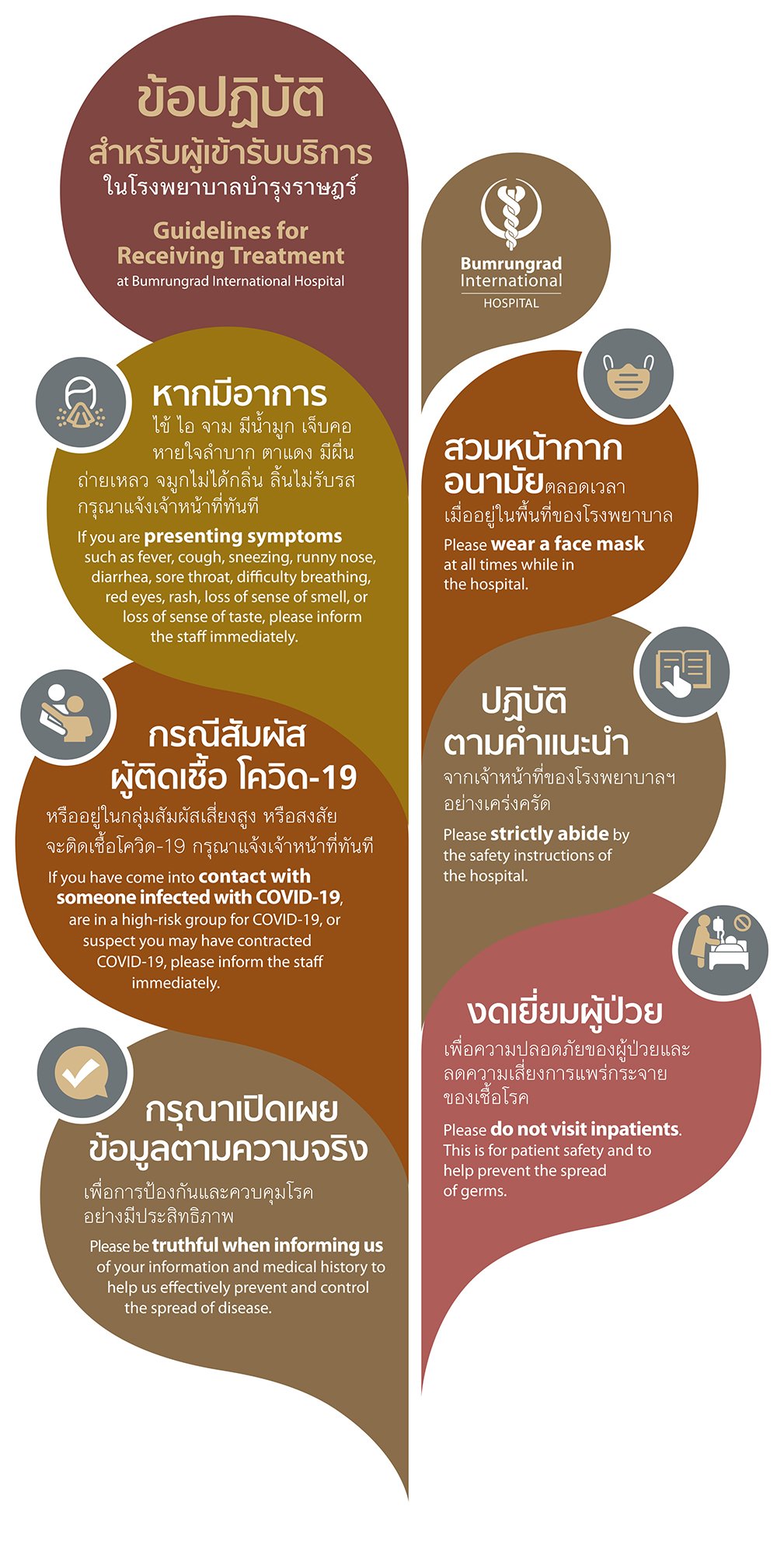
- 医院的首要任务是为每个人提供尽可能安全的环境。因此,建议您在医院内,无论是在医院建筑内还是户外,始终佩戴口罩。
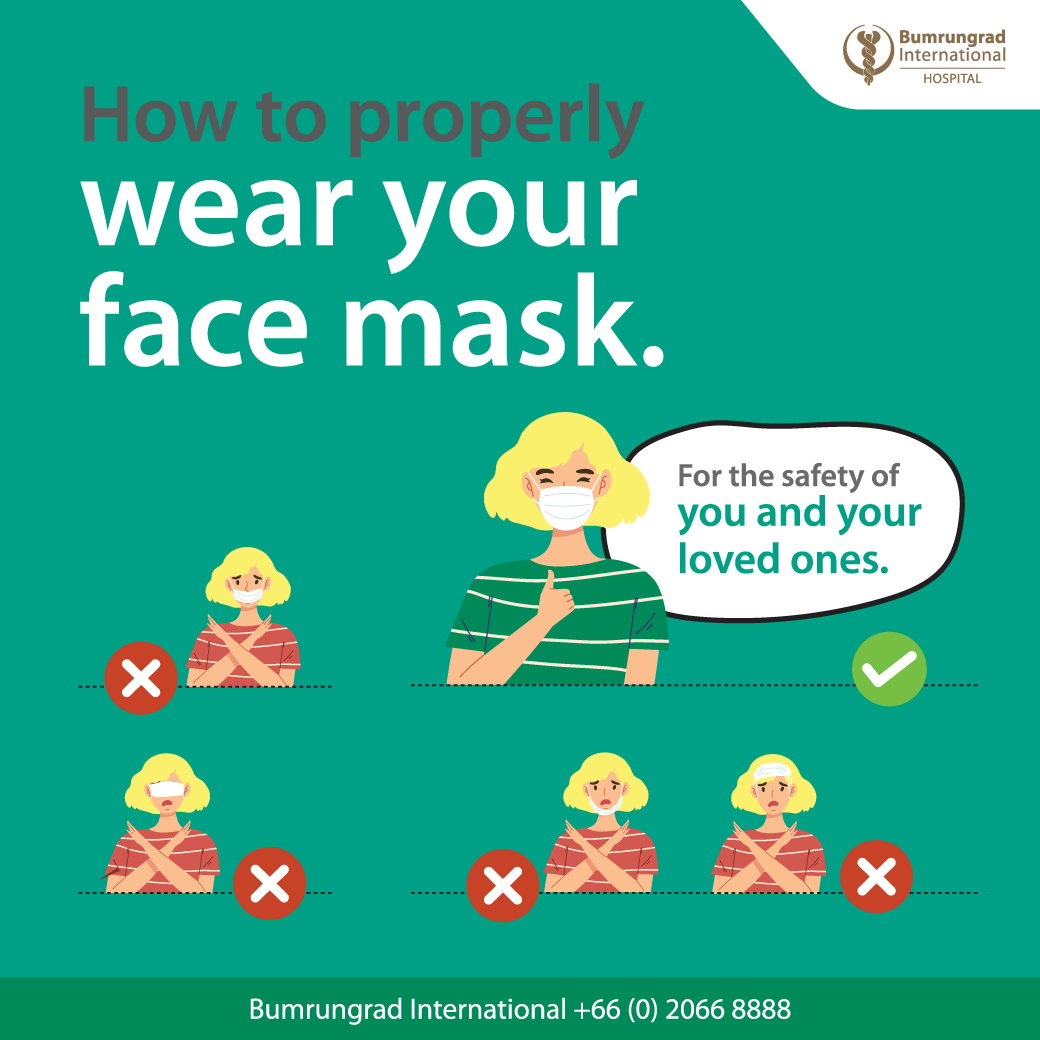
- 亲属和来访客人的协议
措施到位,以确保为患者、访客和工作人员提供安全有序的环境,符合疾病控制部门制定的安全措施。
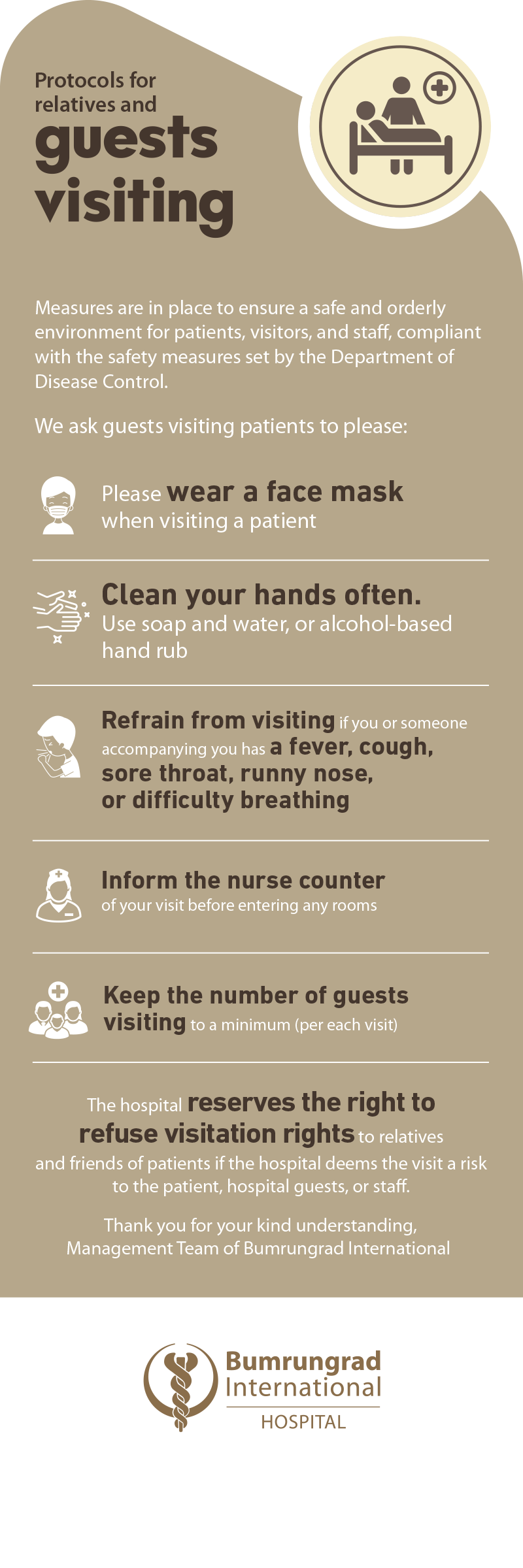
特别声明
政治状况
国家风险评估
A4
国际风险
参见科法斯提供的国家风险分析。
|
国家风险评估 |
|
|
A4 |
经济和金融可能略显疲态。政治环境可能会受到紧张局势影响。商业环境可能存在重大缺陷。公司违约的平均概率一般。 |
|
B |
经济和金融前景不明。政治环境可能会非常紧张。商业环境会表现出潜在的缺陷。公司违约的概率相对较高。 |
|
C |
经济和金融前景很不明朗。政治环境可能会不稳定。商业环境具有重大缺陷。公司违约的平均概率较高。 |
|
D |
经济和金融前景非常不明朗。政治环境非常不稳定。机构和商业环境非常严峻。公司违约的平均概率非常高。 |
交通状况
实时路况,请点击这里
泰国世界卫生组织 (WHO)
请点击这里,点击此处
天气状况
实时天气,请点击这里
泰国的入境要求是什么?
泰国COVID-19疫情管理中心(CCSA)于2022年9月30日宣布结束全国范围内的COVID-19紧急法令,因为该国从2022年10月1日起将COVID-19从“危险传染病”重新归类为“被监视传染病”。
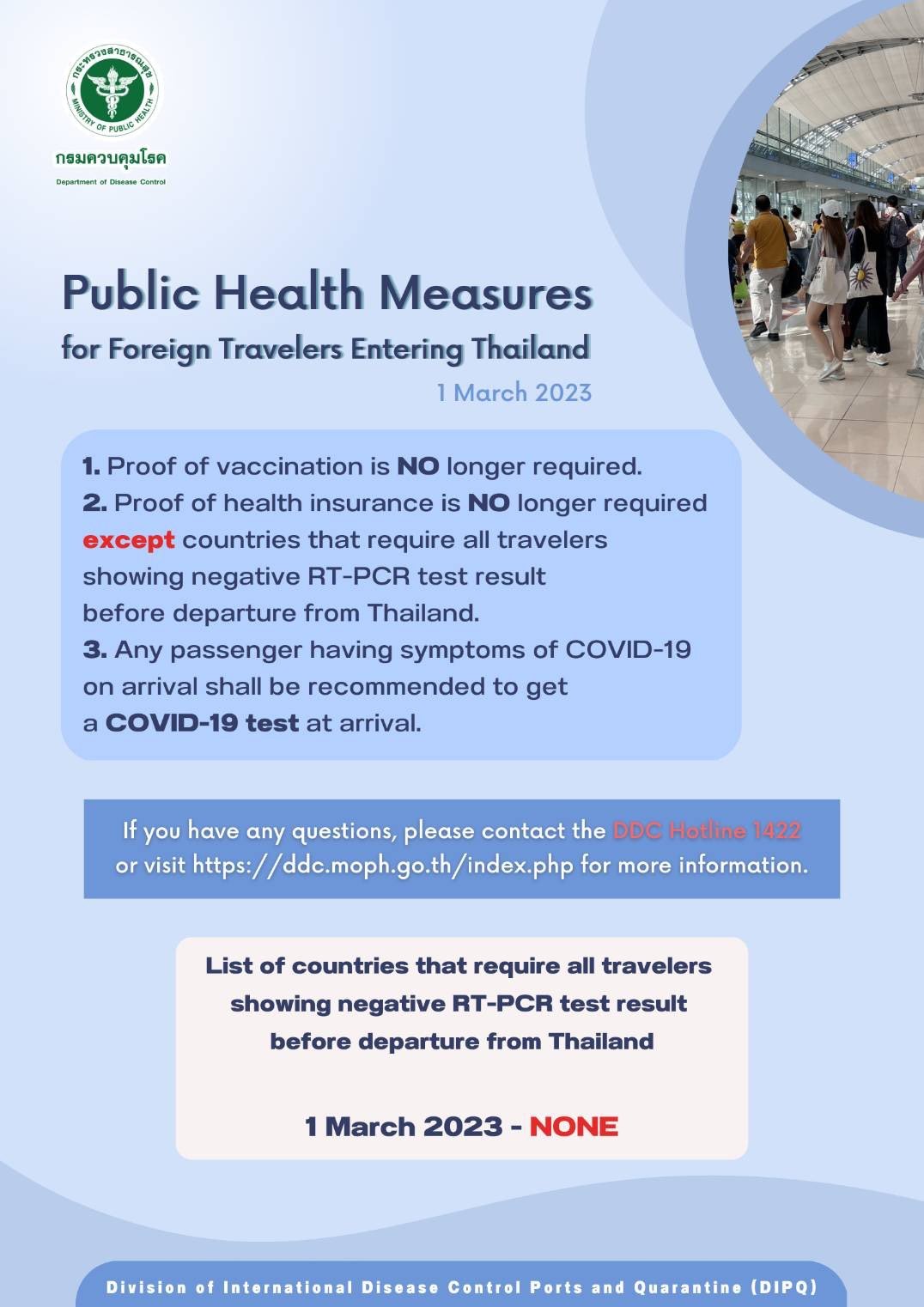
Source: Department of Disease Control, Ministry of Public Health
旅行建议和支持
旅行清单
旅行清单
一旦您在康民国际医院的预约得到确认,我们的医疗旅行团队将向您发送旅行前需要了解的重要信息;为了帮助您更好地准备您的医疗旅行行程,请查看此旅行清单。
第一部分:乘坐飞机旅行
一般情况下,如果您有以下情况,禁止乘坐飞机旅行:
- 怀孕超过36周(如果怀有双胞胎、三胞胎等,则为32周)。
- 最近有过心脏病发作或中风,或任何类型的手术,特别是胃部、大脑、眼睛、骨科(骨骼和关节)手术;包括胃部、眼睛或头部损伤,请与您的医生核实,看看何时能安全地旅行。
- 有植入心脏设备,如起搏器、心脏再同步治疗(CRT)设备和植入型心律转复除颤器(ICD);乘坐飞机旅行前请与您的医生核实。不要忘记随身携带您的个人设备识别卡。
- 有流感样症状,伴或不伴有肺结核样症状,如长时间咳嗽、体重减轻、盗汗、疲劳、发烧和胸痛超过2周。我们强烈建议您在这一阶段不要旅行,并让他们继续接受当前的护理团队的治疗,直到症状完全缓解。
- 有以下症状和体征,请与您的医生检查,看看何时能安全地旅行。
- 胸痛。
- 任何您可能轻易传染给他人的疾病。
- 严重的鼻窦、耳朵或鼻子感染。
- 静息时气喘,呼吸困难。
- 精神病,除非完全控制。
- 发烧100华氏度(38摄氏度)或更高。
- 皮疹
- 意识不清
- 瘀伤或出血(没有先前的受伤)
- 腹泻不止。
- 呕吐不止(晕车除外)。
飞行期间:
- 将所有药物放在随身携带的包里。
- 多喝水,防止脱水,有助于稀释痰液,并保护胸部免受机舱低湿度的影响。
- 在4小时或更长时间的长途飞行中(参见 https://www.cdc.gov/ncbddd/dvt/travel.html , 静止不动会导致深静脉血栓形成;确保在航空公司工作人员允许的情况下定期起身走动。每隔一段时间(例如每30分钟)弯曲和伸展腿部并扭动脚部,以促进血液循环。
- 如果您有较高的风险患上深静脉血栓,您的医生可以帮助您制定出在飞行前需要采取的措施。这可能包括分级加压袜、阿司匹林或抗凝剂。
- 如果您在飞行期间需要吸氧,必须提前申请。必须填写一份医疗信息表格,说明您目前的临床状况和需要吸氧的原因,并提交给航空公司。这可能需要3-5个工作日来处理,并取决于航空公司的批准。
第二节:术前准备
- 如果您有正在服用药物的现有医疗状况和/或您以前接受过任何手术,请在手术前告知您的医生。
- 如果您正在服用抗凝剂,如:Aspirin、Persantin®、Ticlid®、Plavix®、Wafarin、Orfarin®、Heparin和Fraxiparine®、草药补充剂和维生素,特别是维生素E,请在手术前至少一周或根据您的医生的建议停止这些药物/补充剂。
- 如果您经常吸烟和饮酒,请在手术前至少一周停止,以减少并发症的发生。
- 如果您有任何潜在疾病:心血管疾病/糖尿病/高血压/哮喘/癌症/或其他包括对任何药物和正在服用的任何药物过敏、当前治疗和相关诊断,请提前告知医生。
下载

我需要为医疗旅行准备什么?
-
检查您的护照是否有效,以及您是否需要签证才能前往目的地国家。
-
决定如何支付医疗费用,如现金或信用卡,并确保有额外的当地货币现金。打电话给您的银行或信用卡保险公司,预先通知他们您可能会在国外处理大额支付。这是为了防止银行将此交易视为可疑并封锁您的账户。
-
确保您有诊所、交通服务提供商和患者助理的联系信息。
-
通知您的雇主您因医疗旅行而缺勤。
-
查看曼谷的天气预报,做好准备。
-
在国外时,安排家中的协助。
-
检查是否有必要接种某些疫苗。
-
记得在诊所预约,如果需要的话支付预约费。再次检查日期。
-
购买合适的机票。确保有人会去机场接您。
-
卸掉指甲油,因为指甲的颜色可能暗示您的健康状况。
我应该带什么?
- 带手机与充电器
- 个人证件,如身份证、护照和签证
- 信用卡/借记卡和一些额外的现金,货币种类要正确。
- 医疗记录,包括当前诊断、影像(X光、MRI、CT扫描、超声波)、活检结果和您的联系信息。
- 日常用药,如有,请保留原包装;任何与您可能患有的慢性疾病相关的信息。
- 医疗旅行期间用于休闲娱乐的物品,如书籍、杂志、音乐播放器等。
- 如果您的医疗程序需要过夜,舒适的睡衣和浴袍;例如,如果您计划做膝盖手术,建议您穿短裤而不是长裤;如果是肩部手术,您可以考虑带一件拉链运动上衣
- 舒适的内衣和袜子
- 在诊所里走动的鞋子——如果您正在接受整形或其他上身手术,那么您可以穿拖鞋。在整形手术的情况下,请记住您需要一些更稳定的运动鞋。
- 一套基本的洗漱用品,如:肥皂、洗发水、牙刷和牙膏、除臭剂、梳子、卫生巾、剃须套装、发带、唇膏和洗面奶。
- 毛巾
- 一套衣服,用于您的物理治疗和康复,如果手术后需要的话;这可能包括运动服和一双运动鞋。
- 这很大程度上取决于您的医疗旅行的目的,您可以考虑参观观光景点;如果是这样的话,带上休闲服和舒适的鞋子;然而,如果您可能接受影响移动性的手术,如髋关节置换术,您应该考虑带上舒适的宽松长裤、运动夹克和弹性短裤。
- 睡眠必需品,如:耳塞、睡衣和您最喜欢的小枕头