Hair Restoration
The Art & Science of Hair Restoration
Redefining Confidence Through Cellular Innovation.
The Art & Science of Hair Restoration
Redefining Confidence Through Cellular Innovation.
Hair is more than an aesthetic feature — it can play an important role in confidence and self-image. When hair begins to thin or shed excessively, the cause may involve genetics, hormones, scalp health, nutrition, age, medical conditions, or other factors.
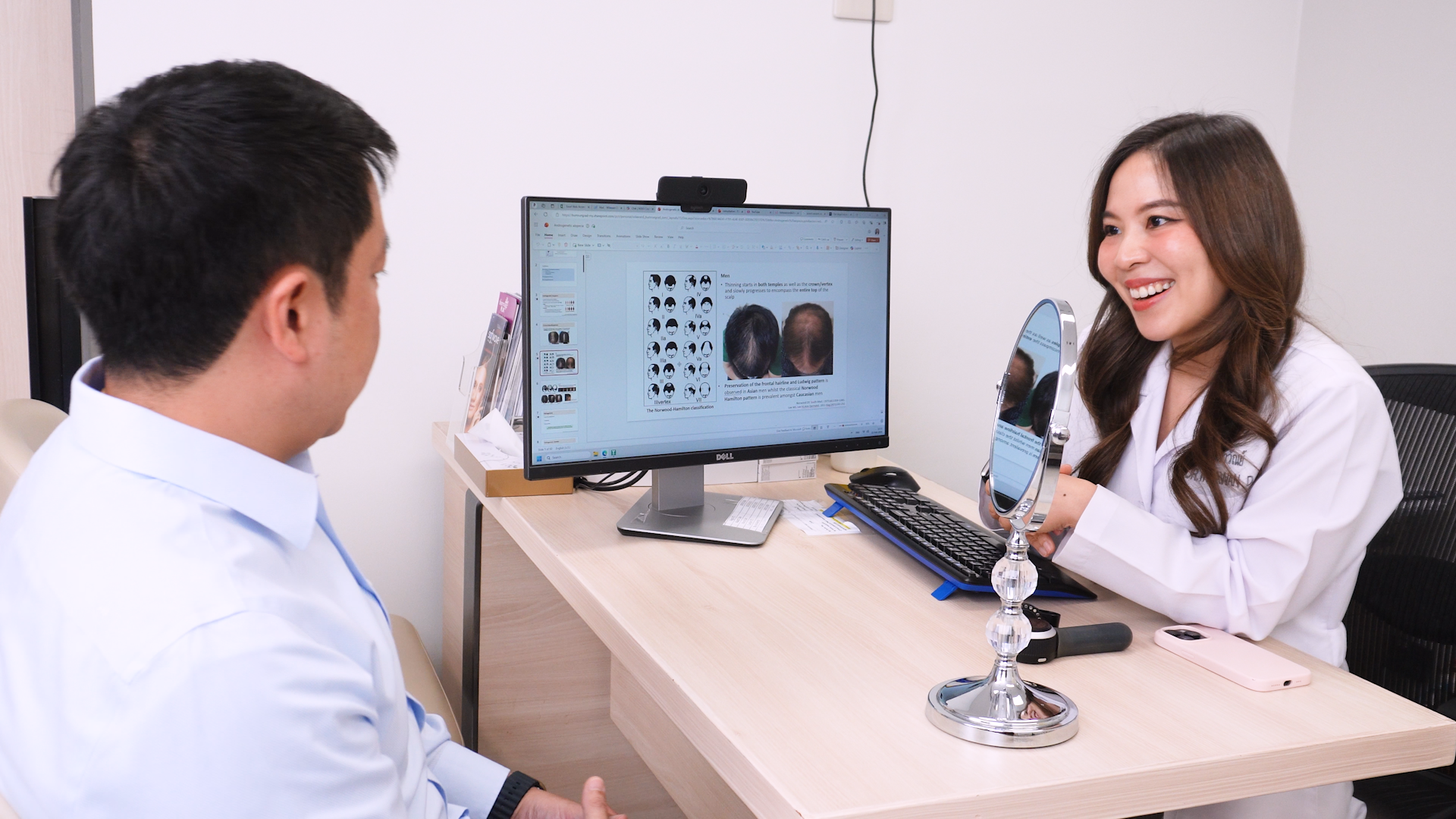
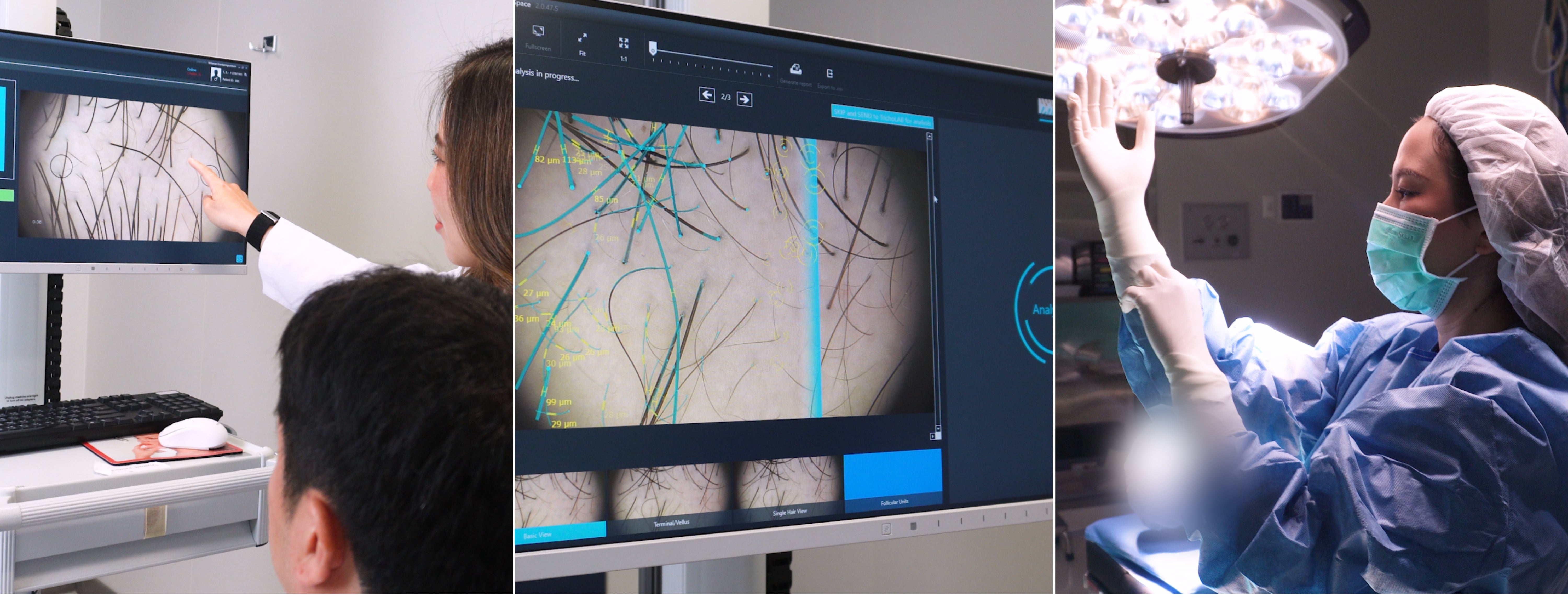
At VitalLife Skin & Aesthetic Center, our approach begins with a detailed assessment of the hair and scalp before selecting a treatment plan. Depending on the individual, options may include regenerative procedures, laser-based therapies, platelet-rich plasma, or hair transplantation.
A personalized regenerative hair program that combines detailed scalp assessment with selected procedures designed to support hair follicle health and the scalp environment.
Comprehensive Program May Include
Who May Consider This Program?
- Individuals with early to moderate hair thinning.
- People looking for non-surgical or minimally invasive regenerative options.
- Patients who may benefit from a multimodal approach rather than a single treatment.
Follicular Unit Extraction (FUE) is a hair transplantation technique in which individual follicular units are harvested from a donor area and transplanted into areas affected by hair loss or thinning.
- May be considered for suitable men and women with patterned hair loss or selected areas of thinning.
- Can also be considered for eyebrow, beard, or selected scar-related restoration depending on donor hair and clinical assessment.
- The procedure may take several hours depending on the number of grafts and treatment area.
- Local anesthesia is commonly used; suitability and perioperative planning are determined by the treating physician.
- Transplanted follicles generally enter a temporary shedding phase before new growth becomes visible over subsequent months.
- Long-term outcome depends on donor hair characteristics, ongoing native hair loss, medical factors, and postoperative care.
An advanced autologous cell-based approach in which selected cells associated with the hair follicle are collected, processed and expanded under controlled laboratory conditions before being used in a physician-directed treatment plan.
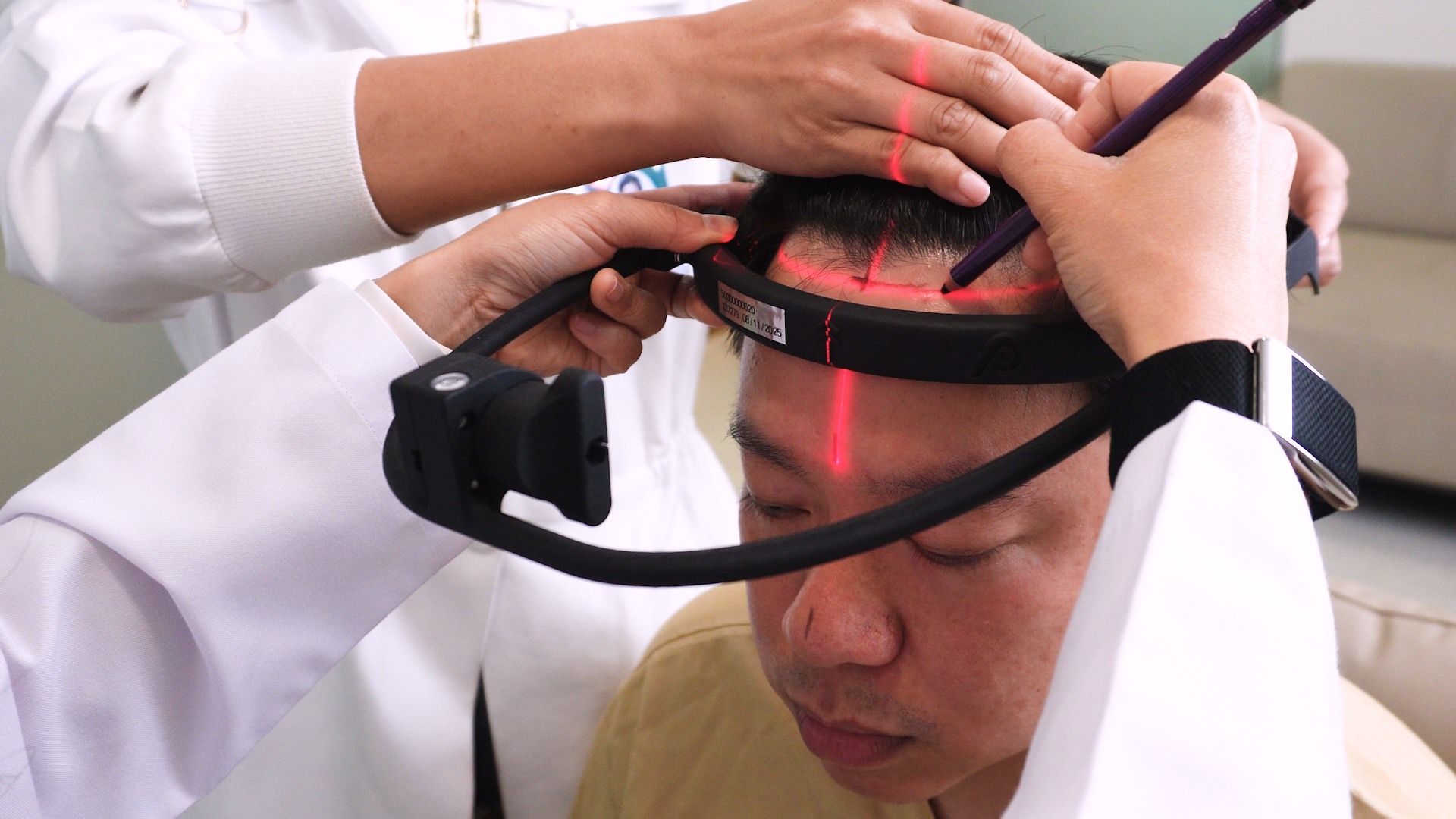
This option may be considered for selected individuals with early to moderate hair thinning who are seeking a regenerative treatment strategy. Because this is a specialized cell-based procedure, eligibility, regulatory pathway, laboratory processing, and expected outcomes should be discussed directly with the treating physician.
Hair Restoration FAQs
Which hair restoration option is right for me?
The best option depends on the cause and stage of hair loss, scalp condition, donor hair availability, medical history, expectations, and whether you prefer surgical or non-surgical treatment. A detailed assessment is recommended first.
How soon can I expect visible results?
Hair growth occurs gradually. Depending on the treatment, visible changes may take several months. Hair transplantation commonly requires longer follow-up because transplanted follicles enter a normal shedding and regrowth cycle.
Are regenerative hair treatments permanent?
Not necessarily. The duration of improvement varies by treatment and by individual. Ongoing hair loss can continue because of genetics, hormones, age, medical conditions, or other factors, so maintenance treatment may be recommended.
Is FUE hair transplantation permanent?
Transplanted follicles are typically selected from donor areas that are more resistant to common patterns of hair loss, but individual outcomes vary. Native, non-transplanted hair may continue to thin over time.
Can different hair restoration treatments be combined?
Yes, in selected cases. A physician may recommend combining medical, laser, regenerative, or surgical approaches depending on your diagnosis and treatment goals.
Explore Hair & Aesthetic Programs